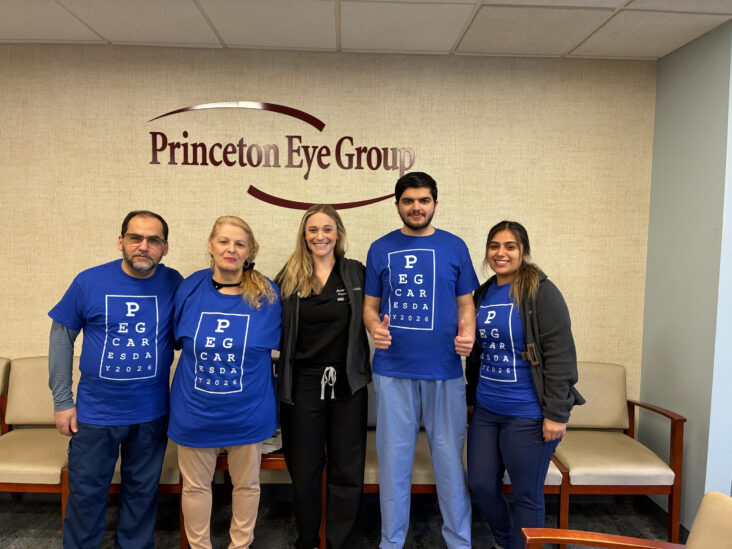
On Saturday, March 14th, Princeton Eye Group held its 16th PEG Cares Day. Needy patients were referred by the Zufall Clinic at Penn Medicine Princeton Medical Center. Dr. Michele Solarte was the volunteer physician. Thanks to Abdul, Ody, Ahmad and Melanie for their help! To date, we have taken care of over 200 patients through […]

News

Princeton Eye Group welcomes patients to the new Somerset office
Princeton Eye Group is pleased to welcome patients to its new Somerset office at 950 Hamilton Street, Somerset, NJ 08873. The practice will begin seeing patients there on Monday, March 9, 2026, and the phone number remains 732-565-9550. The new office represents an exciting next chapter for Princeton Eye Group as the practice continues its […]
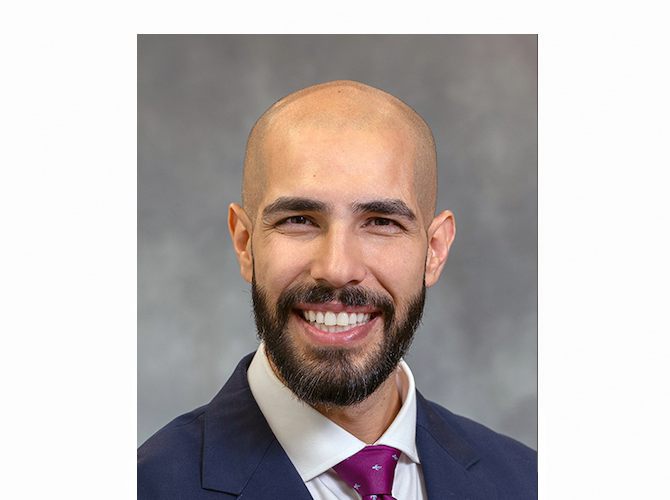
Welcome Dr. Rahul Tonk
Dr. Rahul Tonk is a board-certified, internationally recognized ophthalmologist specializing in advanced cataract surgery, cornea, and refractive surgery (LASIK). His arrival at Princeton Eye Group is a homecoming, a deliberate choice to bring his world-class expertise back to the Central New Jersey community where his journey in medicine began. He is dedicated to providing his […]
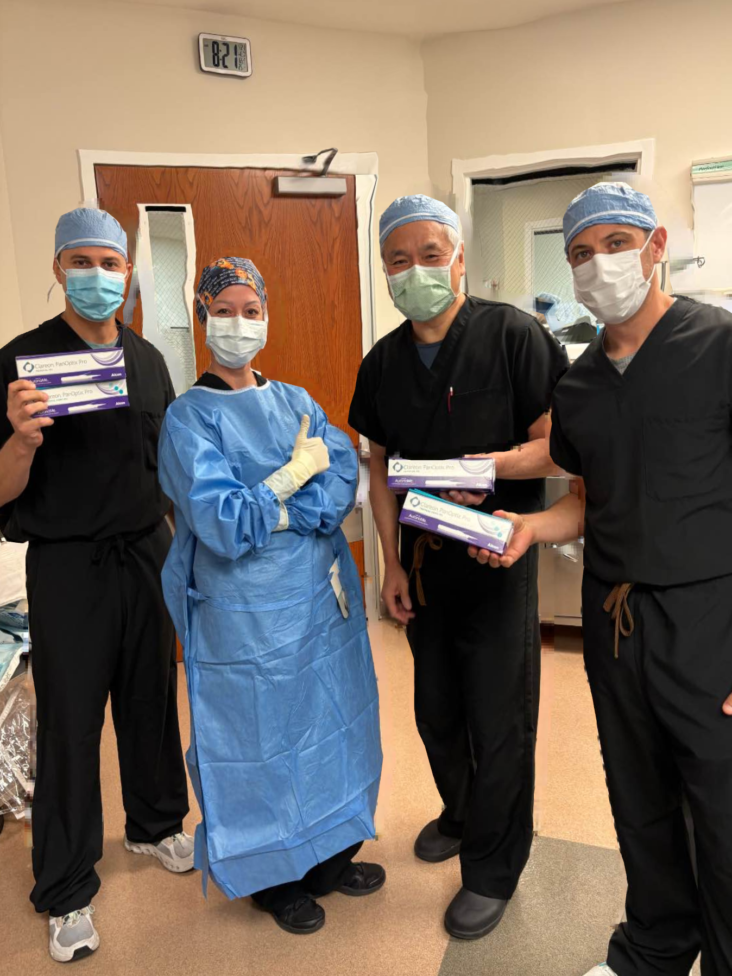
Introducing the PanOptix Pro
This week, the doctors at The Princeton Eye Group and Wills Laser Vision at Princeton were among the very first surgeons in New Jersey to implant the latest and greatest intraocular lens by Alcon- the PanOptix Pro! Pictured below are Drs. Suzanne Jadico and Michael Wong with the Alcon team, Anthony and Scott.
National Bring Your Child to Work Day
National Bring Your Child to Work Day was a success at Princeton Eye Group and Wills Laser Vision at Princeton. Future Eyecare professionals in the house!
Princeton Eye Group Appreciation Party 2023
The annual Princeton Eye Group Appreciation Party is our favorite way to celebrate our staff and the dedication they display to our patients each and everyday. Among many work anniversaries, our employee of honor this year was Mary Moore, celebrating 35 years at PEG!
Princeton Eye Group Optical Shoppes now carry the Nanodropper
Important news for all patients who use high cost eye medications, or who seem to always run out of their medicine before their next renewal: The Nanodropper is now available at Princeton Eye Group! Most eyedrop bottles dispense up to 6 times the volume that the eye (fornix) can hold. That means, with every […]
PEG Cares Day June 10, 2023
Thanks to the staff and volunteers who participated in the latest PEG Cares Day on Sat. June 10th. PEG Cares Day is a day where needy patients, referred by the Zufall Clinic at the Princeton Medical Center, are seen free-of-charge. Princeton Eye Group physicians and staff have volunteered their time since 2018. To date we’ve […]
Optical Shoppes celebrating National Sunglasses Day
Every year, June 27th is designated by the Vision Council as “National Sunglasses Day”. It’s a time for everyone to consider the importance of ultraviolet (UV)- protective sunwear and eyewear. Using sunglasses reduces your risks of developing cataracts and macular degeneration. All of our Optical Shoppes will be celebrating with special month-long discounts and offers. […]
IMPORTANT Billing Information for all Patients
An Important Note Regarding Doxo.com: For years the Princeton Eye Group has offered secure and convenient bill payment online through our secure payment portal. Simply visit our bill payment page and enter your account number and the amount you wish to pay, and charge it safely and securely on your credit card or FSA/HSA card. […]
Take Your Child to Work Day 2023
No, it wasn’t child labor! Princeton Eye Group employees and their children participated in Take Your Child to Work day on April 27, 2023. Some children were able to help out with patients, escorting them into rooms, and even doing tests on staff members! Special thanks to Eli, age 9, the son of our ophthalmic […]
Dr. Kuchar completes Boston Marathon
Congratulations to Dr. Sarah Kuchar, who completed the 127th Boston Marathon yesterday! She finished with a time of 3 hours, 27 minutes, her second best personal time for a marathon (that’s 26.2 miles if you’re counting). This was the third Boston Marathon that she has run. Coincidentally, her last run in Boston was 10 […]