
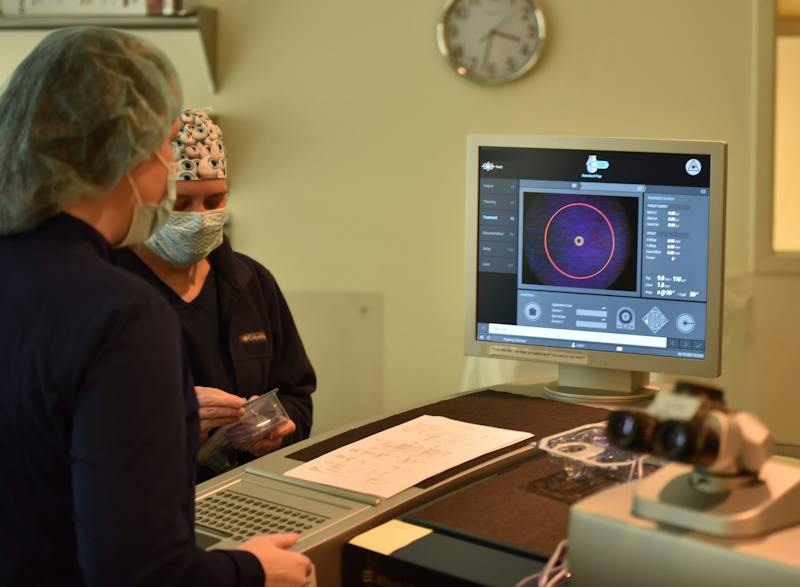
How is LASIK Done?
September 03, 2026
1. Precise cutting of the corneal flap with the FemtoSecond 200 Laser For patients who have had reservations about conventional LASIK because it involved the use of a blade to cut the corneal flap (the first step in LASIK surgery), the latest innovation in LASIK is called 100% Bl...
View More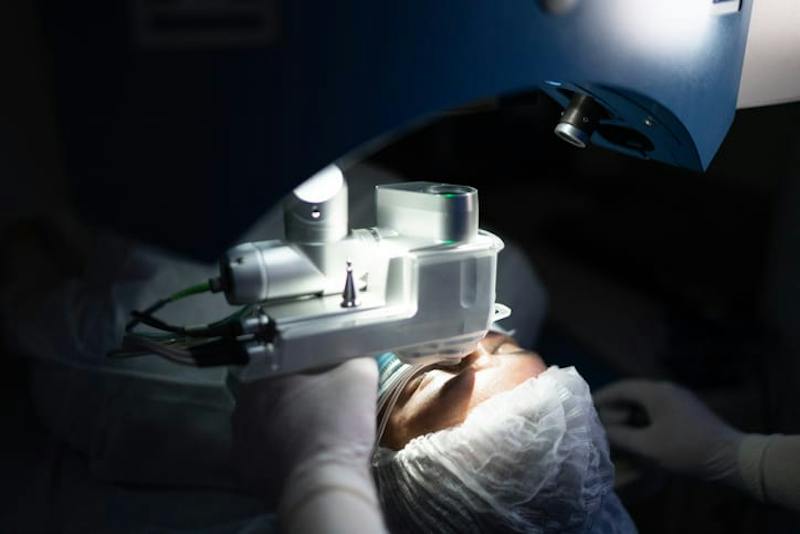
Do you suffer from Keratoconus or Corneal Ectasia?
September 01, 2026
Anita Miedziak, M. D. of the Princeton Eye Group in Princeton has conducted years of clinical research trials to study the effectiveness of an innovative treatment to stop or slow the progression of Keratoconus and Corneal Ectasia. Dr. Miedziak is one, of only two, principal ...
View More
Eye Trivia and Interesting Eye Facts
September 01, 2026
While putting together our new redesigned site, we asked our doctors for facts and trivia about eyes. You’ll find them scattered all around the site, but here are a few extra ones you may find interesting. The average person blinks 12 times per minute – about 10,000 blinks in an...
View More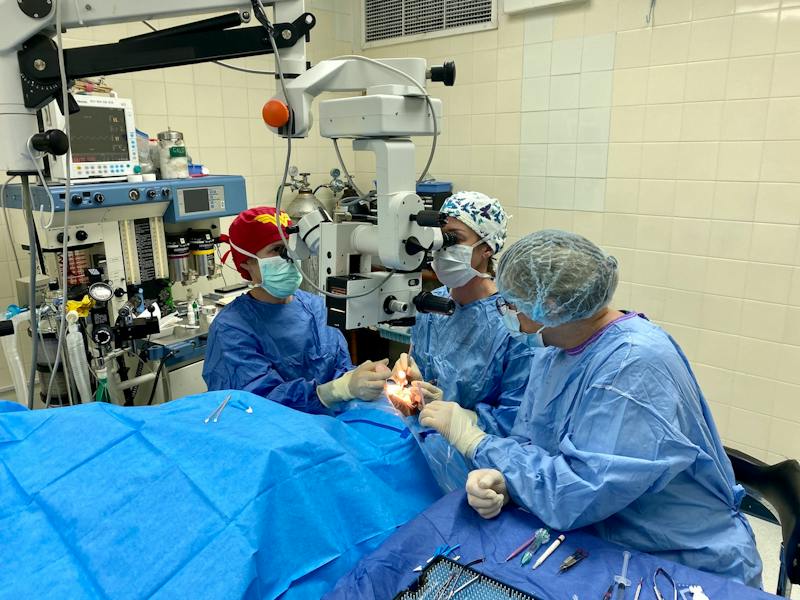
Princeton Eye Group doctors volunteer in Belize
July 13, 2026
In late January, Drs. Michael Wong, Suzanne Jadico and Sarah Kuchar, along with our nurse extraordinaire, Annice Bacsik, traveled to Belize City to perform MSICS (manual small-incision extracapsular cataract surgery) for needy patients. Due to the pandemic, some of these patients...
View MoreCategory: Practice News
Princeton Eye Group welcomes patients to the new Somerset office
July 13, 2026
Princeton Eye Group is pleased to welcome patients to its new Somerset office at 950 Hamilton Street, Somerset, NJ 08873. The practice will begin seeing patients there on Monday, March 9, 2026, and the phone number remains 732-565-9550. Reception area at Princeton Eye Group’s ne...
View MoreCategory: Practice News

Welcome Dr. Rahul Tonk
July 13, 2026
Dr. Rahul Tonk is a board-certified, internationally recognized ophthalmologist specializing in advanced cataract surgery, cornea, and refractive surgery (LASIK). His arrival at Princeton Eye Group is a homecoming, a deliberate choice to bring his world-class expertise back to th...
View MoreCategory: Practice News
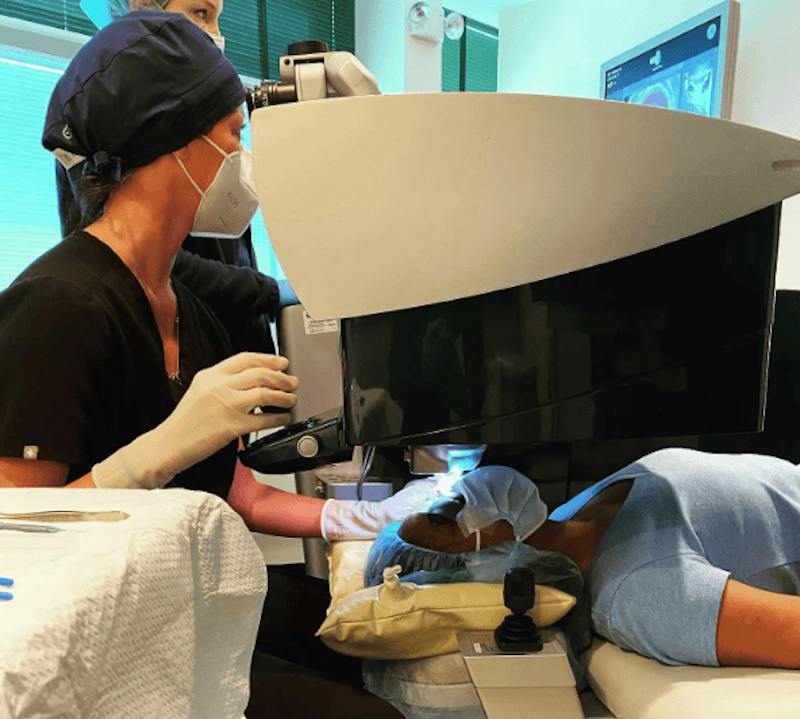
How long does LASIK last?
September 04, 2025
With LASIK eye surgery or PRK, the laser basically sculpts a new, precise shape, or curvature, to your cornea, by energizing and lifting off discrete layers of corneal tissue. It converts solid material into gas. This is permanent. However, consider it a permanent difference from...
View MoreCategory: LASIK
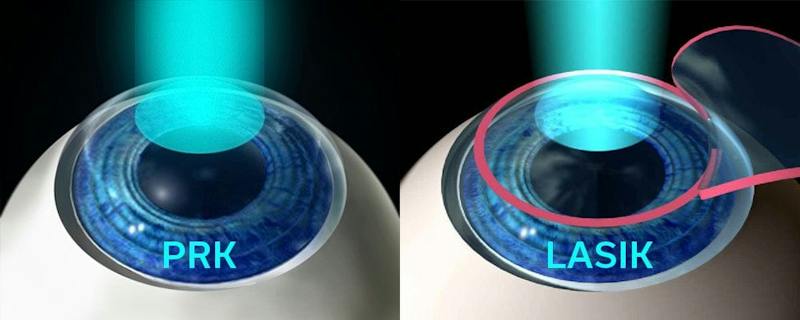
What is the difference between LASIK and PRK?
September 04, 2025
When most people think of laser eye surgery, they usually think of LASIK. But there’s another refractive eye correction called Photorefractive Keratectomy (PRK). What’s the difference? It’s all about access and healing. For both procedures, the eyes are prepared similarly with to...
View MoreCategory: LASIK
LASIK Technology at Princeton Eye Group
September 04, 2025
Like most scientific advancements, collaboration is the keyword. If you asked who invented the light bulb, you might get the name Thomas Edison. But science and technology no longer work that way. Thousands of people from all walks of life have contributed to the invention proces...
View MoreCategory: LASIK

Does LASIK hurt?
September 03, 2025
If you’re contemplating LASIK eye surgery, one question likely comes to your mind before any other: does LASIK hurt? The good news is that the answer is no, especially if you choose a practice with skilled surgeons, the latest equipment, and well established processes. The vast m...
View MoreCategory: LASIK

How Does LASIK Work?
September 03, 2025
In essence, LASIK or PRK is sculpting the curvature of the would-be-correcting contact lens onto the inert layer of the cornea. The curvature change is permanent, re-focusing the eye, and leaving behind only normal tissue. The technology to do this borrows from space-age tracking...
View MoreCategory: LASIK

How long will my vision be blurry after LASIK or PRK?
September 03, 2025
Most patients get off the operating table and can see the clock across the room but say they feel like they’re under water. For LASIK, a big jump in clarity occurs in about 4 -6 hours, and you can usually drive a car safely by the following morning. Fine tuning continues for a we...
View MoreCategory: LASIK