The cornea is the eye's first line of defense and its primary focusing surface, and when corneal health is compromised, every aspect of vision can be affected.
Cornea Treatments Princeton, Monroe Township, & Somerset, NJ
What Is the Cornea?
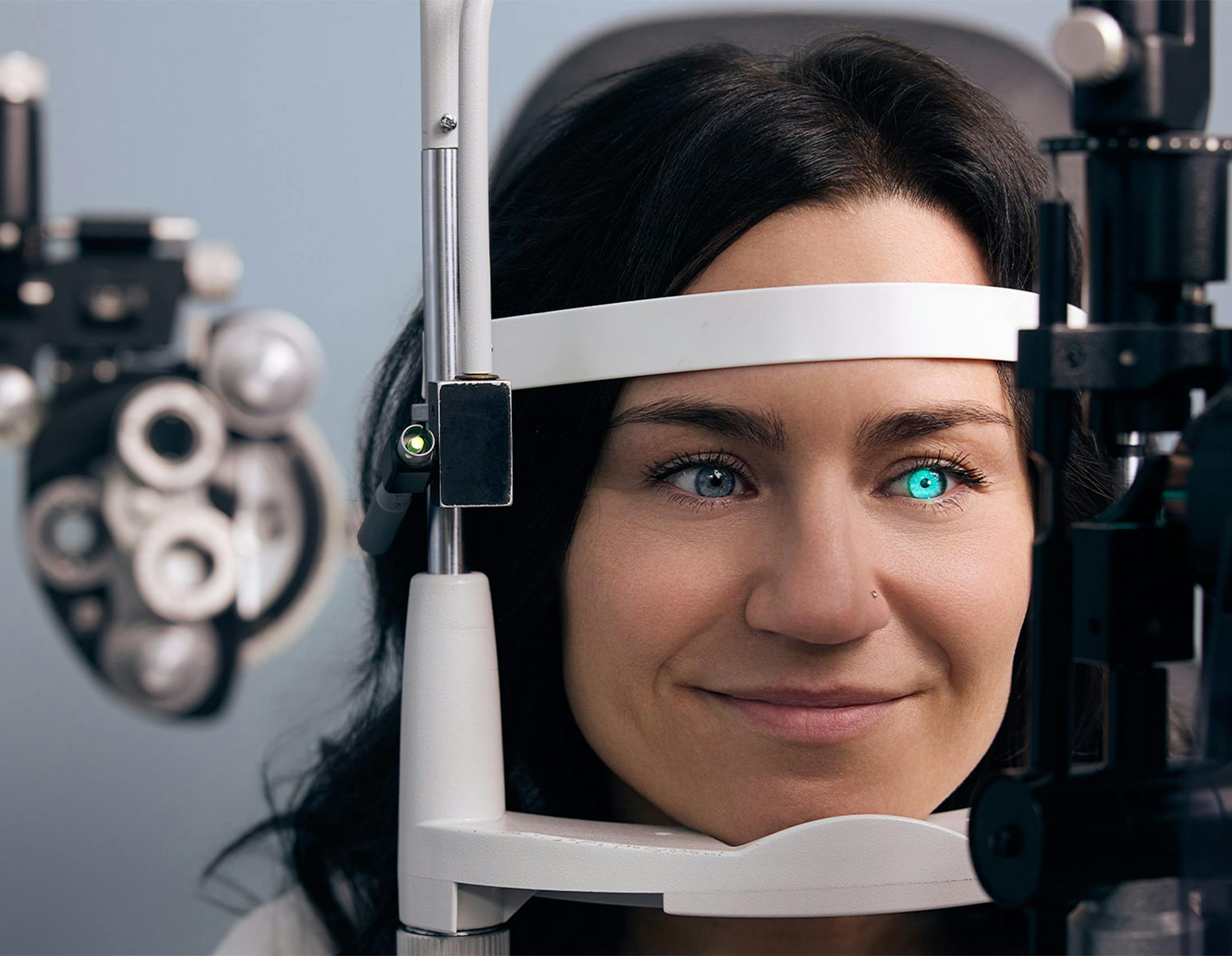
The cornea is the clear, dome-shaped front surface of the eye that covers the iris and pupil. It serves as both a protective barrier and the eye's most powerful refractive element, responsible for approximately two-thirds of the eye's total focusing power. Unlike most tissues in the body, the cornea contains no blood vessels, a feature that is essential to its transparency and that makes it uniquely suited to transplantation. To function properly, the cornea must maintain its clarity, smoothness, and precise curvature. When disease, injury, or structural abnormality disrupts any of these qualities, light is scattered or distorted, resulting in blurred vision, glare, and in severe cases, significant visual impairment.
Conditions and Treatments We Offer

Keratoconus Treatment
Keratoconus Treatment
Keratoconus is a progressive condition in which the cornea gradually thins and assumes an irregular, cone-like shape, causing increasing distortion and visual impairment. Princeton Eye Group offers a full range of keratoconus treatments, from corneal cross-linking to halt progression, to corneal reshaping procedures (PRK, CAIRS, and CTAK), to specialty contact lenses for vision rehabilitation.

Cornea Reshaping
Cornea Reshaping
For patients with keratoconus or other corneal irregularities who require more than contact lenses but are not yet candidates for transplantation, cornea reshaping, including corneal ring segments and other advanced techniques, can reshape and reinforce the cornea to improve vision and stability.
Cornea Cross Linking
Cornea Cross Linking
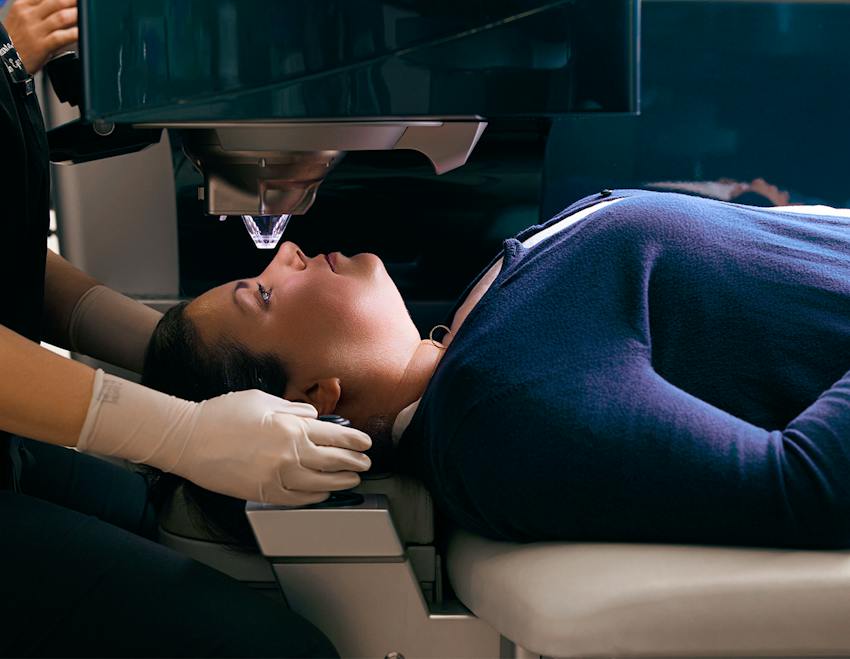
Corneal cross-linking uses ultraviolet light and riboflavin (vitamin B2) to strengthen the collagen bonds within the cornea, halting the progressive thinning and distortion associated with keratoconus and other ectatic conditions. It is the only treatment proven to stop the progression of keratoconus.
Ocular Surface & Reconstructive Surgery
Ocular Surface & Reconstructive Surgery
The ocular surface is the eye's first point of contact with the world. When it is damaged, diseased, or structurally compromised, restoring its integrity requires both surgical precision and a deep understanding of ocular anatomy.
Corneal Transplantation
Corneal Transplantation
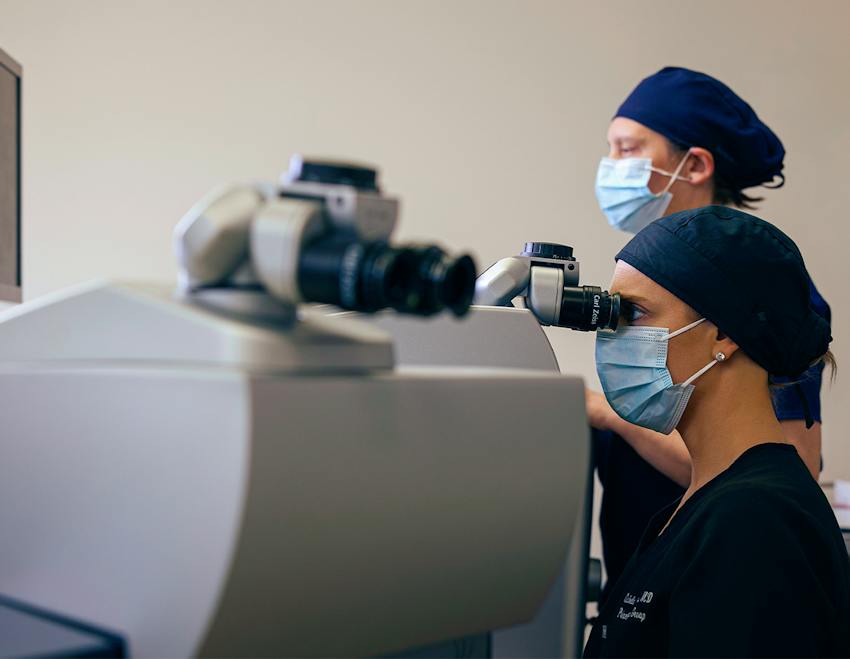
When corneal disease or damage cannot be managed with other treatments, corneal transplantation offers the potential for meaningful vision restoration. Princeton Eye Group performs the full range of modern transplant techniques, including DMEK and DSAEK for endothelial disease, as well as penetrating keratoplasty for full-thickness corneal replacement.
Scleral Contact Lenses
Scleral Contact Lenses
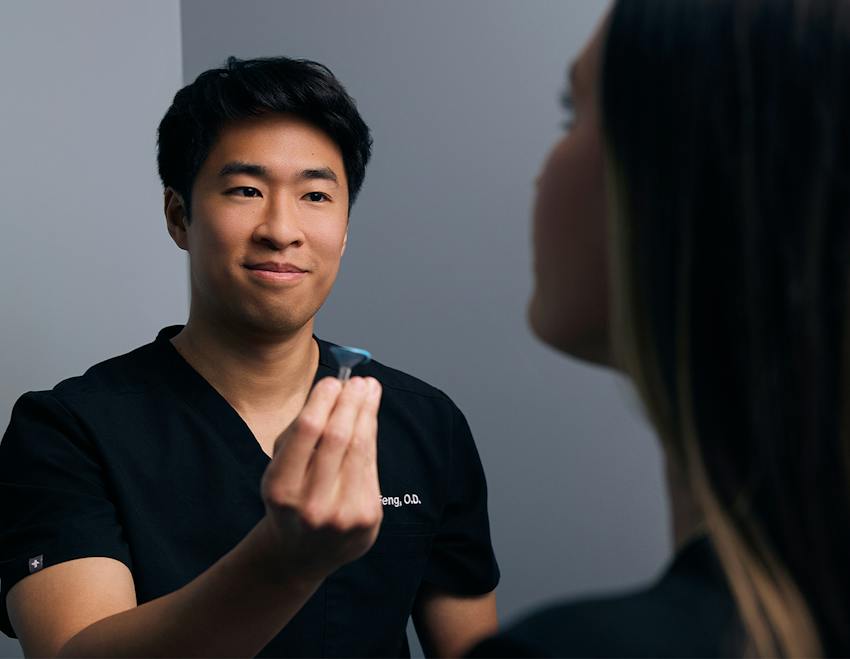
Scleral lenses are large-diameter specialty contact lenses that vault over the entire corneal surface, providing exceptional visual correction for patients with irregular corneas, keratoconus, and other conditions that cannot be adequately corrected with standard soft lenses.
In Partnership with Wills Eye Hosptial

Why Choose Princeton Eye Group for Corneal Care?
Princeton Eye Group's corneal program is led by a team of fellowship-trained specialists whose training spans some of the world's most prestigious eye institutions, delivering a standard of corneal care in Central New Jersey that rivals the best academic centers in the country.
Anita Miedziak, MD
Ophthalmologist, Cornea Specialist
Dr. Miedziak is a board-certified, fellowship-trained cornea specialist who completed subspecialty training at both Wills Eye Hospital and Johns Hopkins University Wilmer Institute, and studied LASIK at the Barraquer Institute in Bogotá, Colombia, where LASIK surgery originated. She is recognized as one of the most experienced corneal surgeons in the region, with thousands of procedures performed across the full spectrum of corneal and anterior segment surgery.

Rahul S. Tonk, MD, MBA
Ophthalmologist, Cornea Specialist
Dr. Tonk is a board-certified, fellowship-trained cornea specialist and Associate Professor of Ophthalmology at Wills Eye Hospital. Before joining Princeton Eye Group, he served as Associate Professor, Associate Medical Director, and Cornea Fellowship Co-Director at Bascom Palmer Eye Institute. His expertise includes partial- and full-thickness corneal transplantation, ocular surface reconstruction, and advanced care for keratoconus, Fuchs dystrophy, and other complex corneal and ocular surface conditions.

Kevin J. Feng, OD
Optometrist, Scleral Lens Specialist
Dr. Feng completed a cornea and contact lens residency at Salus University and trained under Dr. Clark Chang at Wills Eye Hospital. He holds fellowships in the American Academy of Optometry and the Scleral Lens Society, and specializes in vision rehabilitation for patients with keratoconus and irregular corneas using scleral, hybrid, and rigid gas permeable lenses.

Cornea & External Diseases Frequently Asked Questions
What are the most common symptoms of corneal disease?
Common symptoms include blurred or distorted vision, increased sensitivity to light and glare, redness, eye pain or discomfort, excessive tearing, and a feeling of something in the eye. Some corneal conditions, particularly in their early stages, may produce minimal symptoms despite significant structural changes, making routine comprehensive eye examinations important for early detection.
What is keratoconus, and how is it treated?
Keratoconus is a progressive condition in which the cornea gradually thins and bulges into an irregular cone shape, causing distorted vision that worsens over time. Treatment depends on the stage of disease and ranges from specialty contact lenses for vision correction to corneal cross-linking to halt progression, minimally invasive surgical options, and corneal transplantation in advanced cases.
What is the difference between DMEK and DSAEK?
Both DMEK and DSAEK are partial-thickness corneal transplant procedures used to treat endothelial corneal disease. DMEK transplants only the innermost cell layer of the cornea, while DSAEK includes a thin layer of supporting stromal tissue. DMEK generally produces faster visual recovery and better final vision outcomes, but is technically more demanding. Your physician will determine the most appropriate technique based on your diagnosis and anatomy.
Is corneal cross-linking painful?
Corneal cross-linking is performed under topical anesthesia and is generally well tolerated during the procedure. Some patients experience discomfort, light sensitivity, and blurred vision during the healing period following treatment, which typically resolves over several days to weeks.
Can keratoconus be corrected with regular glasses or contact lenses?
In the early stages, standard glasses or soft contact lenses may provide adequate vision correction. As keratoconus progresses and the cornea becomes more irregular, specialty contact lenses, such as scleral or rigid gas-permeable lenses, are typically required for optimal visual correction. In advanced cases, surgical intervention may be necessary.
Do I need a referral to see a corneal specialist at Princeton Eye Group?
No referral is required. Patients are welcome to schedule directly with Princeton Eye Group at any of our three locations in Princeton, Monroe Township, and Somerset. We also welcome referrals from optometrists and primary care physicians throughout Central New Jersey.