Multifocal Intraocular Lenses Princeton, Monroe Township, & Somerset, NJ

Multifocal intraocular lenses offer cataract surgery patients the opportunity to see clearly at near, intermediate, and distance without relying on glasses for most daily activities.
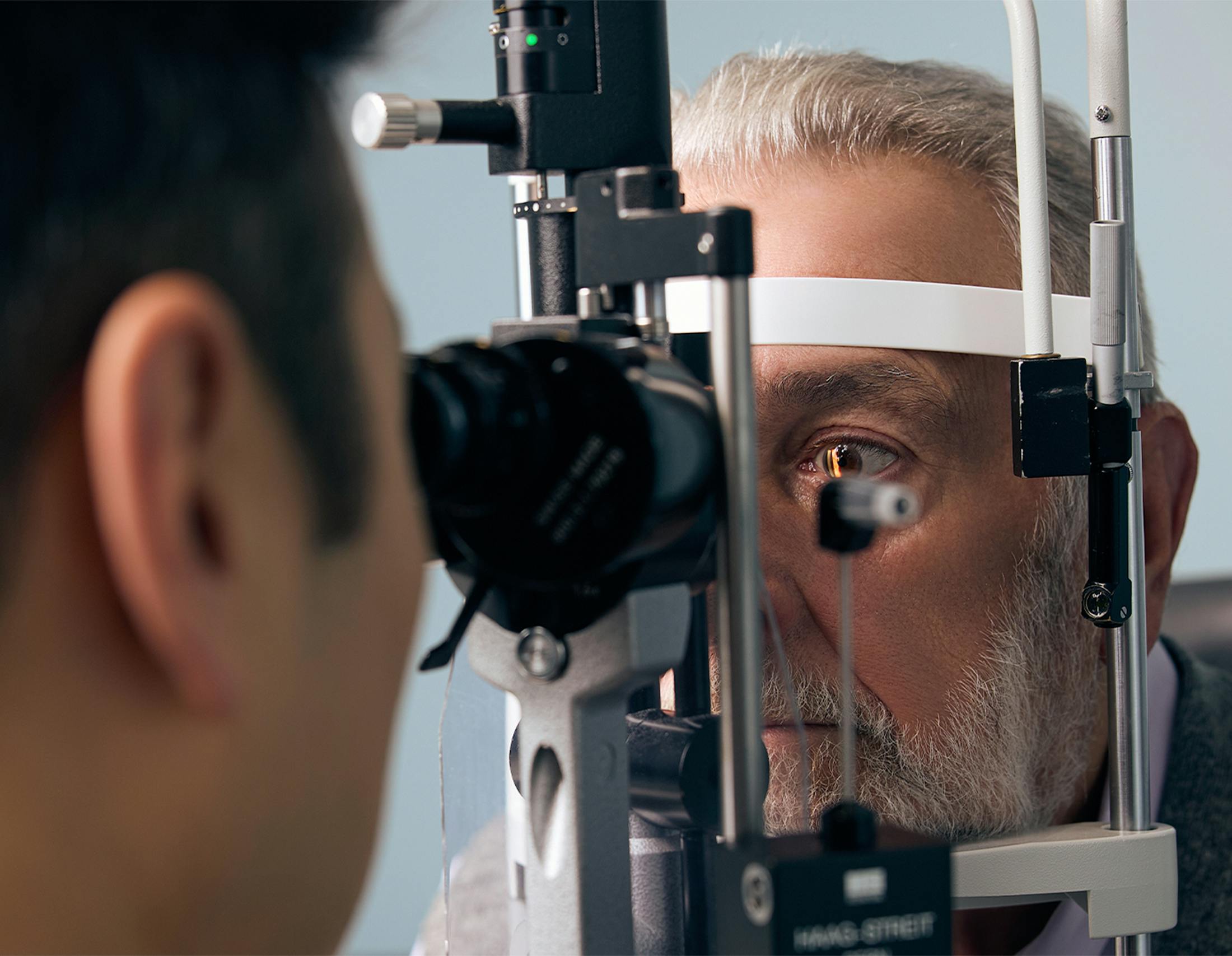

doctor examing a patient's eyes

Total Visual Freedom Starts Here

For most of their lives, many cataract patients have relied on glasses or contact lenses to see clearly. Cataract surgery presents a unique opportunity to change that. By replacing the clouded natural lens with a premium multifocal intraocular lens, our surgeons can address not just the cataract but the full refractive profile of the eye, giving many patients the chance to read a book, work at a computer, and drive without reaching for their glasses.

We offer the most advanced multifocal lens in NJ at Princeton Eye Group, and our surgeons take the time to match each patient with the lens best suited to their eyes, their lifestyle, and their visual goals.

woman smiling

What Is a Multifocal Intraocular Lens?

A multifocal intraocular lens—also referred to as a full visual range (FVR) lens—is a premium artificial lens implanted during cataract surgery that provides clear vision across multiple focal distances simultaneously. Unlike a standard monofocal lens, which corrects vision at only one distance and requires glasses for other tasks, multifocal and full visual range lenses use advanced optical designs to distribute light across near, intermediate, and distance focal points.

This allows the brain to select the appropriate focal zone for each visual task, providing a broad range of functional vision without dependence on glasses for most activities. This technology is not the same as progressive eyeglasses, where you need to adjust your head position to choose the focusing distance. Modern multifocal lenses have advanced significantly in their optical engineering, with current platforms offering improved contrast sensitivity, reduced visual aberrations, and more seamless transitions between focal distances than earlier designs.


The Benefits of Multifocal Lens Implants

  • Freedom From Glasses Across Multiple Distances: Modern Multifocal lenses provide functional vision for near, intermediate, and distance tasks, significantly reducing or eliminating dependence on glasses for the majority of daily activities.
  • Addresses the Cataract and Presbyopia Simultaneously: Multifocal IOLs correct both the clouding caused by the cataract and the age-related loss of near focusing ability known as presbyopia, delivering a comprehensive visual outcome from a single procedure.
  • Advanced Optical Engineering: Today's premium multifocal platforms are engineered to minimize the glare, halos, and contrast reduction associated with older multifocal designs, producing a cleaner, more natural visual experience across lighting conditions.
  • High Patient Satisfaction: Clinical data across leading multifocal lens platforms consistently demonstrate high rates of spectacle independence and patient satisfaction, with the majority of patients achieving meaningful freedom from glasses at all distances.
  • Toric Options for Astigmatism: Most premium multifocal lenses are available in toric versions that simultaneously correct pre-existing astigmatism, further reducing the need for glasses following surgery.
  • A One-Time Investment in Long-Term Vision: Intraocular lenses are permanent implants designed to last a lifetime, making the decision to choose a premium multifocal lens a long-term investment in visual freedom and quality of life.

Is a Multifocal Lens Right for Me?

Multifocal intraocular lenses are an excellent option for active adults seeking maximum freedom from glasses following cataract surgery. Ideal candidates have generally healthy eyes without significant macular degeneration, advanced glaucoma, severe dry eye, or other conditions that may limit visual quality after surgery. Patients who have very high demands for uncompromised night vision—such as commercial pilots or long-haul truck drivers—may be better served by a different lens platform, and your physician will discuss these nuances during your consultation.

It is important to understand that adapting to a multifocal lens involves a neurological adjustment period during which the brain learns to process the multiple focal points provided by the lens. Most patients adapt within a few weeks to months, and the vast majority find the long-term benefits well worth the transition period. A thorough pre-operative evaluation and honest conversation about your visual goals and expectations will help determine whether a multifocal lens is the right choice for you.

Banner media

Multifocal Lenses We Offer

PanOptix Pro

The Alcon PanOptix Pro is the latest generation of the world's most widely implanted trifocal intraocular lens. Building on the proven PanOptix platform, the PanOptix Pro delivers a seamless range of vision across near, intermediate, and distance focal points using Alcon's proprietary ENLIGHTEN optical technology, which optimizes intermediate vision without compromising distance or near performance. The PanOptix Pro offers enhanced contrast sensitivity and optical performance compared to its predecessor, making it a compelling choice for patients seeking high-quality vision across all distances. The PanOptix Pro also offers less nighttime aberration compared to previous models.  Princeton Eye Group's surgeons were among the very first in New Jersey to implant the PanOptix Pro lens, reflecting the practice's commitment to offering the most current technology to its patients.

TECNIS Odyssey

The TECNIS Odyssey by Johnson & Johnson Vision is a groundbreaking intraocular lens and the first in the United States to be classified in the "Full Visual Range" category. Using a freeform diffractive surface that blends focal zones seamlessly, the Odyssey provides a continuous, gap-free span of vision from near through intermediate to distance. It is engineered with advanced technology to reduce color fringing and enhance contrast, offering excellent clarity and visual quality in a wide range of lighting conditions, including low light. Clinical data show that over 90% of patients with the Odyssey experience significant freedom from glasses across all distances. 

enVista Envy

The enVista Envy by Bausch + Lomb is an advanced trifocal intraocular lens designed to deliver continuous, seamless vision at near, intermediate, and distance while minimizing the visual disturbances commonly associated with multifocal optics. The Envy features the ActivSync optic design, which balances light distribution to significantly reduce glare and halos, supporting better performance in nighttime driving and low-light environments. Clinical trials demonstrate that a vast majority of patients achieve near-total independence from reading and distance glasses with the Envy lens. 

Schedule a Consultation

Contact Us
Contact us media

The Multifocal Lens Process What to Expect

Comprehensive Pre-Operative Evaluation

Your Princeton Eye Group surgeon will perform a thorough assessment of your eyes, including advanced biometry and corneal topography, to confirm your candidacy for a multifocal lens in NJ and determine which specific platform is best suited to your anatomy and visual goals.

Lens Selection and Goal Setting

Your surgeon will walk you through the available multifocal options, explain the differences between platforms, and help you set realistic expectations for your outcome—including the neurological adaptation period that follows implantation.

Procedure Day

Multifocal lens implantation is performed as part of standard cataract surgery on an outpatient basis. The procedure takes 15 to 30 minutes per eye, and the lens is inserted through the same small, self-sealing incision used to remove the clouded natural lens.

Early Adaptation Period

In the weeks following surgery, your brain begins the process of adapting to the multifocal optics. Some patients notice halos or glare around lights during this period, particularly at night. These disturbances are normal and typically diminish significantly as neurological adaptation progresses.

Visual Stabilization and Follow-Up

Final visual outcomes are typically fully appreciated within one to three months following surgery as the eye heals, and the brain completes its adaptation to the new lens. Your physician will monitor your progress at scheduled follow-up appointments.

Your Multifocal Lens Results and Recovery

Most patients with multifocal intraocular lenses achieve meaningful freedom from glasses for the majority of daily tasks—reading, computer work, driving, and most other activities—once full adaptation is complete. The adaptation period varies by patient and typically ranges from a few weeks to a few months. During this time, mild halos or glare around lights at night are common and gradually resolve for most patients. Patient satisfaction rates with modern multifocal platforms are consistently high, and the majority of patients report that the freedom from glasses they achieve far exceeds their initial expectations. For patients who retain any residual refractive error following surgery, a minor glasses prescription or laser enhancement can further optimize the outcome.

Phoropter adjustment dials

Why Choose Princeton Eye Group for Multifocal Lens Implantation?

Princeton Eye Group offers a combination of surgical expertise, advanced lens technology, and a personalized approach to lens selection that sets the standard for premium cataract care throughout New Jersey.

Among the First in New Jersey to Implant the PanOptix Pro

Princeton Eye Group's surgeons were among the first in New Jersey and the United States to implant the PanOptix Pro, TECNIS Odyssey, and enVista Envy—a direct result of our physicians' standing as key opinion leaders who are granted early market access to emerging premium lens platforms before they are widely available. This early access reflects a practice that consistently operates at the forefront of ophthalmic technology and gives patients in Central New Jersey the opportunity to benefit from the latest innovations ahead of the curve.

National Leaders in Premium Lens Surgery

Princeton Eye Group's refractive and cataract surgeons are recognized nationally as key opinion leaders in advanced technology intraocular lens implantation, shaping standards of care, training other surgeons, and participating in the clinical evaluation of emerging lens platforms before they reach the broader market. This level of engagement reflects a practice whose expertise in premium lens surgery is not just deep, but actively driving the field forward.

The Full Range of Premium Multifocal Platforms

Princeton Eye Group offers all three of the leading premium multifocal lens platforms—PanOptix Pro, TECNIS Odyssey, and enVista Envy—ensuring that lens selection is always guided by what is best for the individual patient rather than limited by what a practice happens to stock.

Subspecialty Depth for Complex Cases

Patients with coexisting corneal, glaucoma, or retinal conditions require careful evaluation before multifocal lens implantation. Because Princeton Eye Group covers nearly every ophthalmic subspecialty, complex cases can be evaluated and managed with the input of the full team, maximizing safety and optimizing outcomes.

Personalized Surgical Planning

Premium lens implantation demands a higher level of pre-operative precision than standard cataract surgery. Princeton Eye Group's surgeons use advanced biometry, corneal topography, and careful refractive planning to maximize the likelihood of achieving each patient's target outcome.

Multifocal Lens Implants Frequently Asked Questions

What is the difference between multifocal and standard monofocal lenses?

A standard monofocal lens eliminates the cloudy vision caused by the cataract, but glasses are typically still required post-operatively to see clearly at most distances. Multifocal lenses correct near, intermediate, and distance focal points simultaneously, offering many patients meaningful freedom from glasses for most daily activities.

Will I ever need glasses after a multifocal lens?

Most patients with multifocal lenses achieve significant freedom from glasses for the majority of activities. Some patients may still benefit from glasses for certain tasks, such as prolonged fine print reading in dim light. Still, overall dependence on glasses is substantially reduced compared to monofocal lenses. Once the natural lens in the eye has been replaced with an artificial implant, mostly refractive changes in the future tend to be insignificant, and glasses independence is typically lifelong.

How long does it take to adapt to a multifocal lens?

Most patients complete the neurological adaptation process within a few weeks to a few months following surgery. During this period, some visual disturbances, such as halos or glare around lights at night, are common and typically diminish as adaptation progresses.

What is the difference between the PanOptix Pro, TECNIS Odyssey, and enVista Envy?

All three are premium trifocal or full visual range lenses designed to provide clear vision at near, intermediate, and distance. They differ in their optical design, light distribution technology, and specific performance characteristics. Your Princeton Eye Group surgeon will review the differences and help determine which platform is best matched to your eyes and lifestyle.

Does insurance cover multifocal lenses?

Medicare and most insurance plans cover standard cataract surgery, but the premium upgrade to a multifocal lens involves an out-of-pocket cost not covered by insurance. Our team can discuss the associated costs and available financing options during your consultation.

Can multifocal lenses correct astigmatism?

Yes. Toric versions of the PanOptix Pro, TECNIS Odyssey, and enVista Envy are available to simultaneously correct pre-existing astigmatism, further reducing dependence on glasses following surgery.

What if I am not happy with my multifocal lens?

Patient satisfaction with modern multifocal platforms is consistently high, but outcomes are not guaranteed, and some patients do not adapt well to multifocal optics. In rare cases where a patient is significantly dissatisfied, lens exchange may be discussed as an option. The best way to minimize this risk is through thorough pre-operative evaluation, realistic expectation setting, and careful patient selection, all of which are priorities at Princeton Eye Group.

Do I need a referral for cataract surgery at Princeton Eye Group?

No referral is required. Patients are welcome to schedule directly with Princeton Eye Group at any of our three locations in Princeton, Monroe Township, and Somerset. We also welcome referrals from optometrists and primary care physicians throughout Central New Jersey.

Accessibility: If you are vision-impaired or have some other impairment covered by the Americans with Disabilities Act or a similar law, and you wish to discuss potential accommodations related to using this website, please contact our Accessibility Manager at (609) 921-9437.
Request an Appointment