Myopia Management Princeton, Monroe Township, & Somerset, NJ
Nearsightedness is more than a prescription, and for children, managing it early can make a meaningful difference for their long-term eye health.

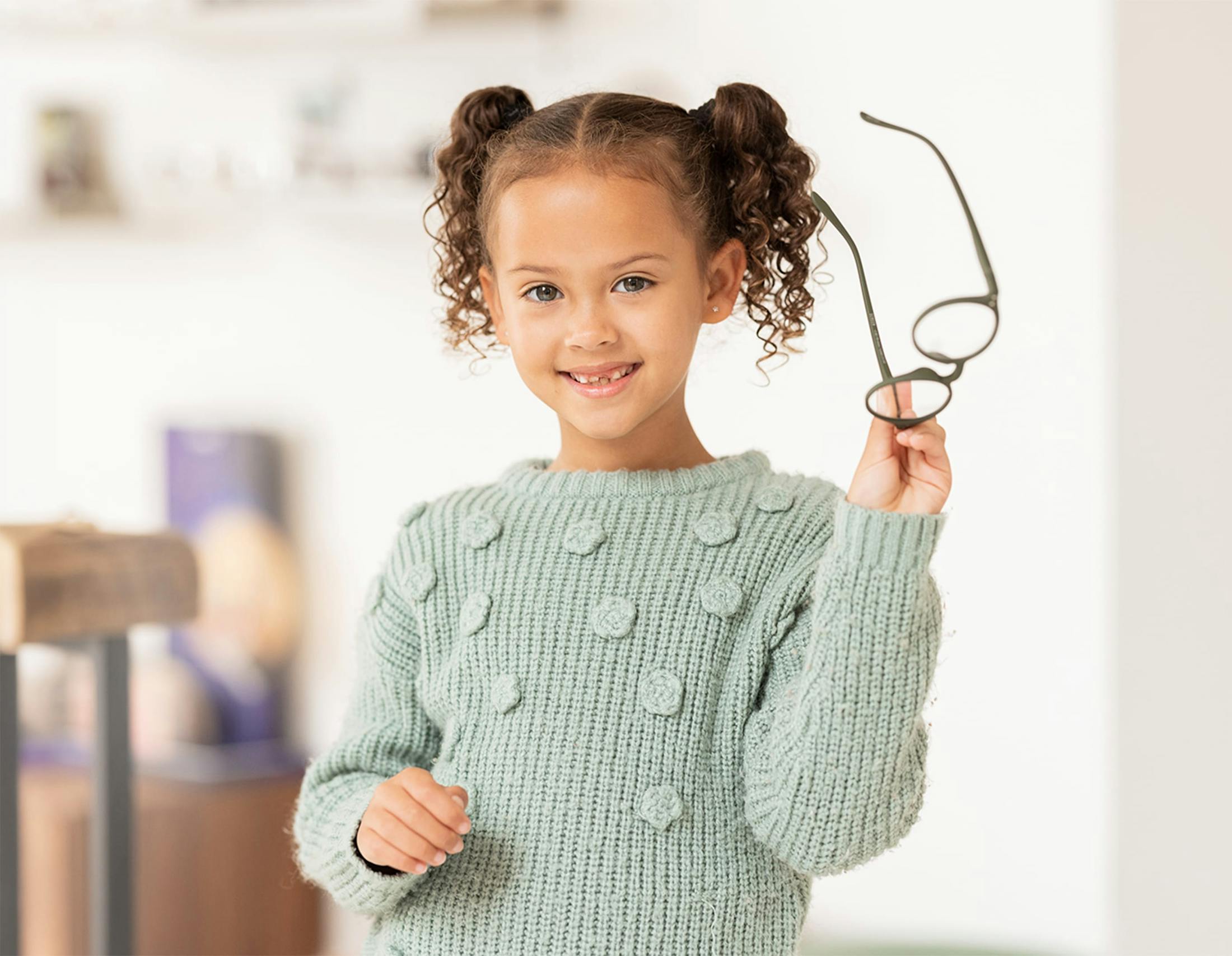
child holding glasses

Protecting Your Child's Vision for the Future

Myopia, or nearsightedness, is becoming increasingly common worldwide and is now recognized as a growing public health concern. Research projects that by 2050, nearly half of the world's population will be myopic. While glasses and traditional contact lenses help children see clearly, they do not slow the progression of myopia. As a child's prescription becomes more nearsighted, the eye continues to grow longer, and that continued growth increases the lifetime risk of serious eye conditions, including retinal detachment, myopic macular degeneration, glaucoma, and early cataracts. Our goal is not only to help your child see clearly today, but to help protect their vision for the future.

Our Evidence-Based Myopia Treatments

Orthokeratology (Ortho-K)

Orthokeratology uses specially designed contact lenses worn overnight that gently reshape the front surface of the eye while your child sleeps. Each morning, the lenses are removed, and your child enjoys clear vision throughout the day without glasses or contact lenses. In addition to providing daytime visual freedom, Ortho-K has been shown to help slow myopia progression over time.

Specialized Daily Soft Contact Lenses

These daily disposable contact lenses are designed specifically for myopia management. They provide excellent daytime vision while incorporating optical technology shown to reduce the rate at which myopia progresses, making them an excellent daytime option for children who are ready for contact lenses.

Stellest Myopia Control Glasses

An innovative spectacle lens that uses Highly Aspherical Lenslet Technology (HALT) to slow eye growth while providing clear vision throughout the day. Princeton Eye Group proudly offers Stellest glasses through our in-house Optical Shoppe, making it convenient for families to receive expert fitting, adjustments, and ongoing care in one location.

Low-Dose Atropine Eye Drops

A once-nightly prescription eye drop that has been shown in multiple clinical studies to safely slow myopia progression in children. This is an excellent option for children who are not yet ready for contact lenses or who may benefit from combining atropine with another myopia management approach.

Why We Measure Axial Length

A glasses prescription tells us how blurry your child's vision is, but it does not tell us how quickly the eye is growing. Axial length, the measurement of the eye from front to back, is considered the gold standard for monitoring myopia progression. Research has shown that excessive eye growth is the primary factor associated with future vision-threatening complications.

At every myopia management follow-up visit, we measure your child's axial length to track eye growth over time, evaluate how well treatment is working, detect progression earlier than prescription changes alone can reveal, and adjust treatment when necessary to provide the best long-term results.
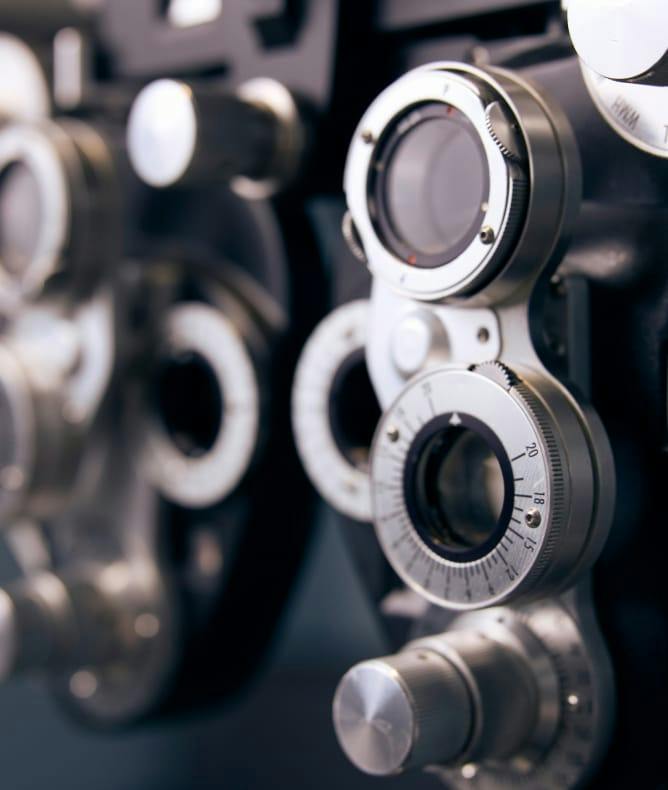
Phoropter adjustment dials

Schedule a Consultation

Contact Us
Contact us media

Why Choose Princeton Eye Group for Myopia Management?

Dr. Kevin J. Feng — Dedicated Myopia Management Specialist

Dr. Feng is a residency-trained optometrist specializing in contact lenses and myopia management, with a genuine passion for helping children protect their vision for life. He has helped many children and families slow the progression of myopia through personalized, evidence-based treatment plans tailored to each child's unique needs. His goal is simple: to help your child see clearly today while reducing their risk of developing the sight-threatening conditions associated with progressive myopia later in life.

One of the Northeast's Largest Contact Lens Inventories

Princeton Eye Group carries one of the largest selections of specialty and myopia management lenses in the Northeast, ensuring that every patient has access to the most current and effective options available.

Convenient In-House Optical

With our Optical Shoppe located within our offices, families can receive eyeglass fittings, adjustments, and ongoing care without needing to go anywhere else — including Stellest myopia control glasses for children who are not yet ready for contact lenses.

Convenient Locations Across Central New Jersey

With offices in Princeton, Monroe Township, and Somerset, Princeton Eye Group makes expert myopia management accessible to families throughout the region.

Myopia Control Frequently Asked Questions

At what age should myopia management begin?

Myopia management is most effective when started early, ideally as soon as progressive myopia is identified. There is no single age threshold; the right time to begin treatment depends on when progression is detected and how quickly it is advancing. If your child's prescription has been changing consistently, it is worth scheduling an evaluation.

How do I know if my child's myopia is progressing?

The most reliable way to monitor myopia progression is through regular comprehensive eye examinations that include axial length measurement. If your child's prescription has been increasing at each visit, that is a sign that myopia is progressing and that management may be appropriate.

Is Ortho-K safe for children?

Yes. Orthokeratology is an established, well-studied modality with a strong safety record when lenses are properly fitted and lens hygiene is maintained. Dr. Feng will assess your child's suitability for Ortho-K and provide thorough guidance on proper lens care before any treatment begins.

Can myopia be reversed?

Current evidence-based treatments can slow the progression of myopia but cannot reverse it. The goal of myopia management is to reduce the rate of eye growth, protecting your child from the more serious complications associated with high myopia later in life.

Does my child need to wear glasses if they are doing Ortho-K?

No. One of the benefits of Ortho-K is that children can go through their day without glasses or daytime contact lenses. This makes it particularly popular with children who are active in sports or other activities where glasses are inconvenient.

Accessibility: If you are vision-impaired or have some other impairment covered by the Americans with Disabilities Act or a similar law, and you wish to discuss potential accommodations related to using this website, please contact our Accessibility Manager at (609) 921-9437.
Request an Appointment