RF Treatment for Meibomian-Gland Dysfunction Princeton, Monroe Township, & Somerset, NJ

Radiofrequency therapy for meibomian gland dysfunction offers a gentle, non-invasive solution for patients suffering from the blocked oil glands at the root of chronic evaporative dry eye.
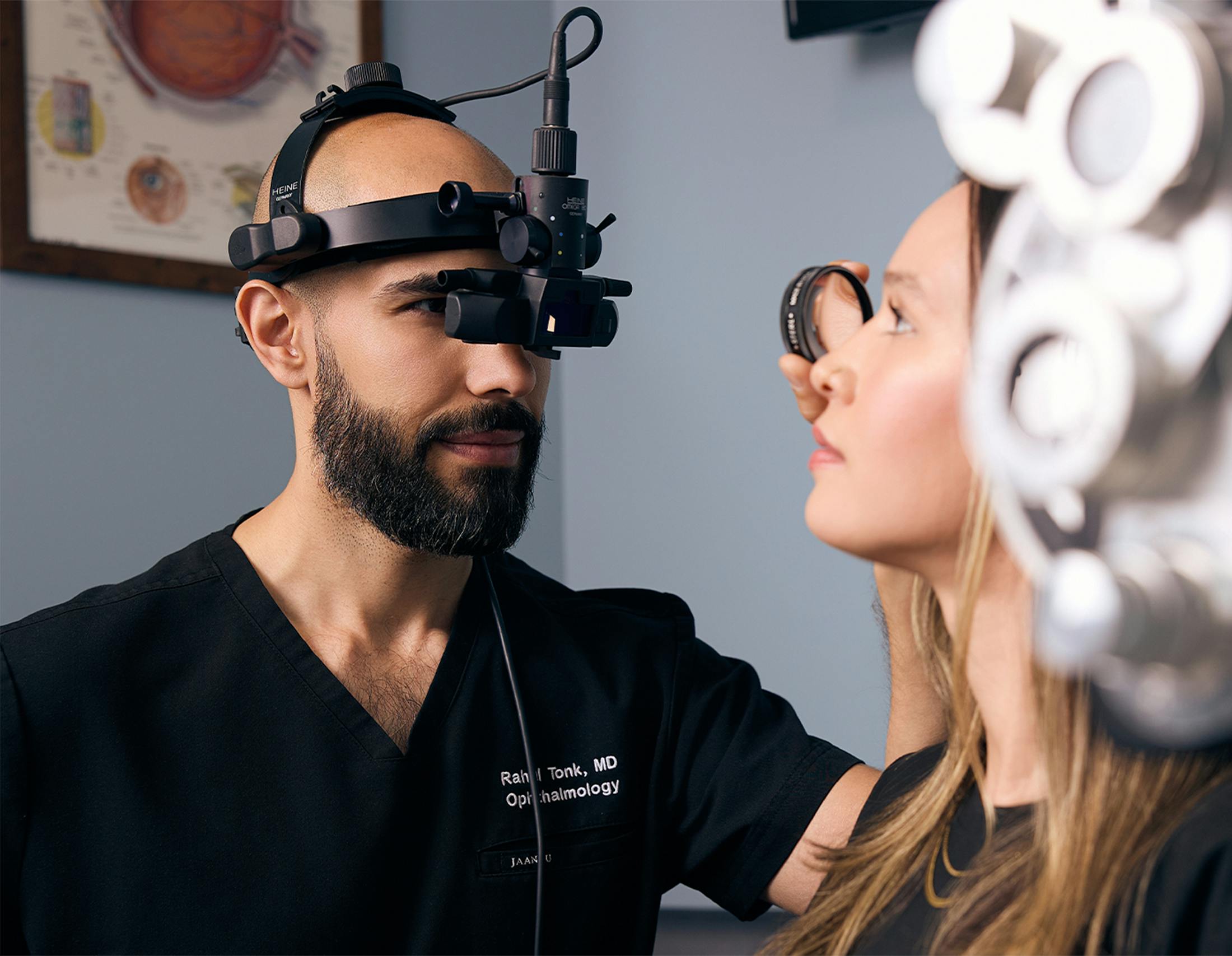

doctor examining a patient

Restore Your Glands and Reclaim Your Comfort

If your eyes feel dry, gritty, or persistently irritated despite using drops or other treatments, the cause may be deeper than the surface. Meibomian gland dysfunction, a condition in which the oil-producing glands along the eyelid margins become blocked or dysfunctional, is one of the leading drivers of evaporative dry eye, and it often goes undiagnosed and undertreated. RF meibomian gland therapy delivers precisely controlled thermal energy to the eyelids, softening blocked gland secretions and restoring the natural flow of oils that keep the tear film stable. At Princeton Eye Group, our physicians bring the same clinical precision to dry eye care that defines every aspect of our practice.

man smiling

What Is RF Meibomian Gland Therapy?

Radiofrequency (RF) therapy uses controlled thermal energy delivered to the eyelid tissue to gently warm the meibomian glands, liquefying the thickened, waxy secretions that block them. This controlled radiofrequency heating allows the glands to be expressed more effectively, restoring their ability to secrete the oils essential to a healthy, stable tear film. Unlike topical treatments that address symptoms at the surface level, RF therapy works by rehabilitating the glands themselves, making it a targeted, longer-lasting approach to managing meibomian gland dysfunction and the evaporative dry eye it causes.

The Benefits of RF Meibomian Gland Therapy

  • Targets Meibomian Gland Dysfunction at the Source: RF therapy addresses the blocked oil glands driving evaporative dry eye rather than simply masking symptoms, offering more meaningful and durable relief.
  • Controlled RF Heating for More Effective Gland Expression: The gentle, controlled RF heating softens thickened meibomian secretions, allowing for more thorough and comfortable gland expression and improved oil flow.
  • Non-Invasive and Well-Tolerated: RF meibomian gland therapy is a comfortable, in-office procedure with no incisions, no anesthesia, and no downtime required.
  • Reduces Reliance on Daily Eye Drops: By restoring natural meibomian gland function, many patients experience a meaningful reduction in their dependence on artificial tears and other ongoing dry eye medications.
  • Improves Tear Film Stability: Restoring healthy oil secretion helps stabilize the lipid layer of the tear film, reducing tear evaporation and providing longer-lasting surface lubrication.
  • Complements Other Dry Eye Treatments: RF therapy can be used alongside IPL inflammation therapy and other treatments as part of a comprehensive, personalized dry eye management plan.

Schedule a Consultation

Contact Us

Is RF Meibomian Gland Therapy Right for Me?

RF meibomian gland therapy is well-suited for patients diagnosed with meibomian gland dysfunction, particularly those experiencing evaporative dry eye symptoms such as persistent irritation, a gritty or burning sensation, fluctuating vision, or excessive tearing.

RF therapy may be recommended when a clinical examination identifies meibomian gland obstruction or poor-quality gland secretions, and can be an appropriate option at various stages of treatment, not only after other therapies have been exhausted.

A comprehensive dry eye evaluation at Princeton Eye Group will determine whether RF therapy is appropriate for your individual presentation. In some cases, a combination approach, pairing RF therapy with IPL inflammation therapy or other treatments, may offer the most complete and lasting results.

The RF Meibomian Gland Therapy Process What to Expect

Comprehensive Dry Eye Evaluation

Your Princeton Eye Group physician will assess your meibomian gland function, tear film quality, and overall ocular surface health to confirm that RF therapy is the right treatment for you and to establish a baseline for measuring your progress.

Personalized Treatment Plan

Based on your evaluation, your physician will develop a customized treatment plan, outlining the recommended number of sessions and whether a combination approach with other dry eye therapies may be beneficial.

Treatment Day

A handheld RF device is gently applied to the treatment area, delivering controlled thermal energy to warm the meibomian glands. The treatment is comfortable and typically takes 15 to 20 minutes per session.

Meibomian Gland Expression

Following the radiofrequency phase, your physician will perform a careful meibomian gland expression to clear the softened blockages and restore the flow of healthy oils into the tear film.

Follow-Up and Maintenance

Most patients undergo a series of treatments for optimal results. Your physician will monitor your response and recommend a maintenance schedule to sustain long-term meibomian gland health.

Your RF Meibomian Gland Therapy Results and Recovery

RF meibomian gland therapy requires no recovery time. Patients return to their normal activities immediately following each session. The treatment is generally well tolerated, with minimal recovery required. Some patients may experience temporary mild redness or sensitivity in the treated area, which typically resolves quickly. Improvement in dry eye symptoms typically becomes noticeable after the first few sessions, with continued progress as the meibomian glands are progressively rehabilitated. Because results depend on the gradual restoration of gland function, the full benefit of treatment is generally appreciated upon completing the recommended series. Periodic maintenance treatments are advised to preserve gland health and prevent recurrence of blockages over time.

Phoropter

Meet Your RF Specialist Dr. Anita Miedziak

RF meibomian gland therapy at Princeton Eye Group is performed exclusively by Dr. Anita Miedziak, our Director of Cornea and Contact Lens Services. A board-certified, fellowship-trained corneal specialist with training at Wills Eye Hospital and Johns Hopkins Wilmer Institute, Dr. Miedziak brings exceptional diagnostic precision and subspecialty depth to every dry eye treatment she performs.

Banner media

Why Choose Princeton Eye Group?

Princeton Eye Group's approach to dry eye care reflects the same standard of subspecialty excellence that defines the practice across all of ophthalmology, bringing advanced, physician-guided treatments to patients throughout New Jersey.

Physician-Supervised Treatment

RF meibomian gland therapy at Princeton Eye Group is overseen directly by our ophthalmologists, ensuring that every treatment plan is grounded in a thorough clinical evaluation and tailored to your specific ocular surface needs.

Advanced Diagnostic Workup

We don't treat dry eye based on symptoms alone. Our physicians use advanced diagnostic tools to build a complete picture of your ocular surface health before recommending any course of treatment.

A Comprehensive Dry Eye Program

Princeton Eye Group offers a full spectrum of dry eye treatments, from medical therapies and nutraceuticals to IPL inflammation therapy and RF meibomian gland therapy. This means your care can be tailored and adjusted as your condition evolves, without the need for referrals elsewhere.

Subspecialty Depth Across Ophthalmology

As a practice covering nearly every ophthalmic subspecialty, Princeton Eye Group is equipped to manage dry eye cases that involve corneal, autoimmune, or other systemic components, a level of comprehensive care that standalone dry eye clinics cannot provide.

Serving Central New Jersey Since 1980

With offices in Princeton, Monroe Township, and Somerset, Princeton Eye Group has been the trusted ophthalmology practice for generations of Central New Jersey patients, combining world-class expertise with the warmth and accessibility of a community practice.

RF Meibomian Gland Therapy Frequently Asked Questions

What is meibomian gland dysfunction?

Meibomian glands are small oil-producing glands located along the upper and lower eyelid margins. When these glands become blocked or dysfunctional, they fail to secrete the oils necessary to maintain a stable tear film, leading to rapid tear evaporation and the symptoms of dry eye syndrome.

How is RF therapy different from warm compresses?

While warm compresses can provide temporary relief by softening meibomian secretions at home, RF therapy delivers a more precise and consistent level of therapeutic heat to the gland tissue, penetrating more deeply and producing more effective softening and expression. The results are generally more significant and longer-lasting than those achieved with at-home warm compress therapy alone.

How many sessions will I need?

The number of sessions varies depending on the severity of your meibomian gland dysfunction and your response to treatment. Your physician will outline a personalized treatment plan during your consultation, typically involving a series of sessions followed by periodic maintenance.

Is RF meibomian gland therapy painful?

The treatment is generally comfortable and well-tolerated. Most patients describe a gentle warming sensation during the procedure. Most patients tolerate the procedure well, and gland expression is performed carefully to minimize discomfort.

Can RF therapy be combined with IPL?

Yes, RF meibomian gland therapy and IPL inflammation therapy are complementary treatments that target different aspects of evaporative dry eye. RF addresses the physical blockage of the meibomian glands through controlled radiofrequency heating, while IPL targets the underlying vascular inflammation driving lid margin disease. Your Princeton Eye Group physician can determine whether a combined approach is appropriate for your condition.

Does insurance cover RF meibomian gland therapy?

RF therapy for meibomian gland dysfunction is typically considered an elective procedure and is not covered by most medical insurance plans. Our team can discuss the cost of treatment and available financing options at the time of your consultation.

How long do results last?

Results vary by patient and depend on the underlying severity of meibomian gland dysfunction. Many patients maintain meaningful improvement with periodic maintenance sessions. Your physician will monitor your progress and recommend a long-term management plan tailored to your needs.

Who is not a good candidate for RF meibomian gland therapy?

Patients with certain implanted electronic devices, active eyelid infections, or specific skin conditions affecting the eyelid area may not be appropriate candidates for RF therapy. A thorough evaluation at Princeton Eye Group will determine whether this treatment is safe and suitable for you.

Accessibility: If you are vision-impaired or have some other impairment covered by the Americans with Disabilities Act or a similar law, and you wish to discuss potential accommodations related to using this website, please contact our Accessibility Manager at (609) 921-9437.
Request an Appointment