From vision-restoring eyelid surgery to advanced aesthetic treatments, Princeton Eye Group's oculoplastics and aesthetics program is led by the region's most experienced eyelid and facial specialists.
Oculoplastics & Aesthetics Princeton, Monroe Township, & Somerset, NJ

What Is Oculoplastic Surgery?
Oculoplastic surgery in New Jersey is a subspecialty of ophthalmology focused on the surgical and medical management of conditions affecting the eyelids, orbit, lacrimal system, and surrounding facial structures. Because oculoplastic surgeons are first trained as ophthalmologists, they bring a uniquely precise understanding of the eye and its surrounding anatomy to every procedure, whether the goal is functional restoration, aesthetic improvement, or both.
Medical & Functional Eyelid Care
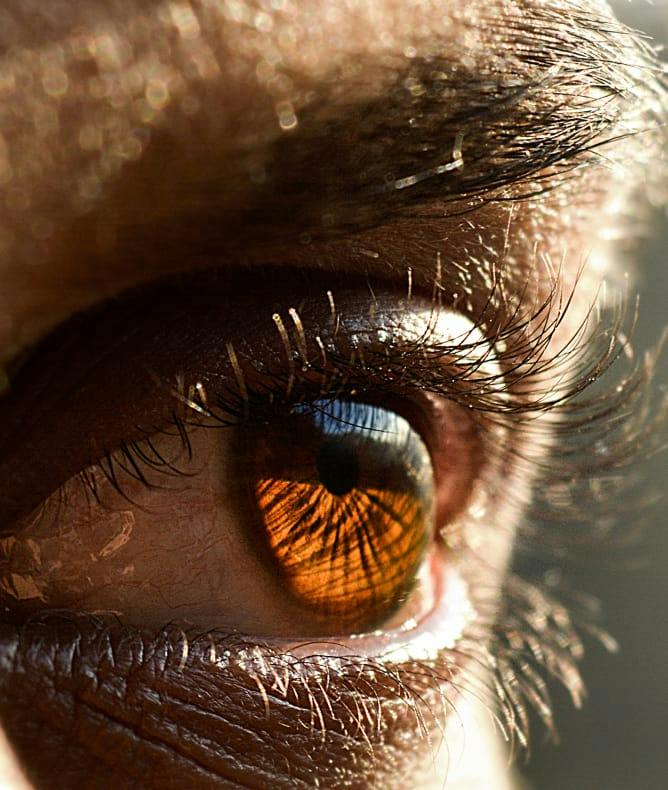
Heavy, drooping, or uncomfortable eyelids can result from several different conditions, and patients should not need to diagnose themselves before scheduling a consultation. The most common causes include excess upper eyelid skin, true ptosis (weakness of the muscle that lifts the eyelid), brow descent, or a combination of these factors. Some patients also present with eyelids that turn inward or outward, causing irritation and corneal exposure.

Eyelid Surgery
Eyelid Surgery
Upper and lower blepharoplasty can also be performed for cosmetic indications—refreshing a tired or aged appearance by removing excess skin, reducing hooding, and addressing under-eye bags—without a functional component requiring insurance documentation.

Ptosis Repair
Ptosis Repair
Ptosis, drooping of the upper eyelid caused by weakness of the levator muscle, can obstruct the visual field and cause fatigue and a tired appearance. Ptosis repair restores the natural position of the eyelid, improving both function and aesthetics.

Entropion & Ectropion Repair
Entropion & Ectropion Repair
Entropion, in which the eyelid turns inward, and ectropion, in which the eyelid turns outward, can cause significant irritation, tearing, and damage to the ocular surface. Surgical correction restores the eyelid to its proper position and protects long-term eye health.
Eyelid Reconstruction
Eyelid Reconstruction
Following the removal of eyelid tumors, trauma, or tissue loss, eyelid reconstruction restores both the structural integrity and appearance of the eyelid, combining surgical precision with careful attention to functional outcome. Reconstruction may also address eyelid closure problems related to facial nerve weakness.
IPL Skin Rejuvenation
IPL Skin Rejuvenation
Intense Pulsed Light therapy addresses sun damage, uneven skin tone, redness, and the visible signs of aging in the periocular and facial skin, delivering a refreshed, more youthful appearance without surgery. Performed by Dr. Miedziak.

RF Facial Contouring
RF Facial Contouring
Radiofrequency therapy using the Lumenis TriLift platform combines RF, Dynamic Muscle Stimulation, and RF-assisted microneedling to improve skin quality, tone facial muscles, and support facial contour without surgical incisions. Performed by Dr. Miedziak.
BOTOX & Dermal Fillers
BOTOX & Dermal Fillers
BOTOX smooths dynamic facial wrinkles caused by repeated muscle movement, while dermal fillers restore lost volume and soften static lines and folds. Both treatments are administered exclusively by our physicians and can be used separately or together as part of a personalized facial rejuvenation plan. Princeton Eye Group has been offering BOTOX for medical and cosmetic purposes for decades.
In Partnership with WillsEye Hosptial
Meet Princeton Eye Group’s Eyelid and Facial Specialists
R. David Reynolds, MD
Ophthalmologist, Oculplastics Specialist, President
Dr. R. David Reynolds is a triple board-certified ophthalmologist and President of Princeton Eye Group, with extensive expertise in advanced cataract surgery, laser vision correction, and oculoplastic and aesthetic procedures. He provides personalized care focused on both vision and appearance, offering treatments including Botox® and dermal fillers to help patients achieve natural-looking results while maintaining a commitment to ethical, patient-centered care.

Anita Miedziak, MD
Ophthalmologist, Cornea Specialist
Dr. Anita I. Miedziak is a board-certified, fellowship-trained ophthalmologist specializing in advanced aesthetic and skin rejuvenation treatments, including IPL and radiofrequency (RF) therapies. With her extensive medical and surgical expertise, she provides personalized care designed to improve skin health, refresh the appearance, and achieve natural-looking results.

Oculoplastics & Aesthetics Frequently Asked Questions
What is the difference between an oculoplastic surgeon and a plastic surgeon?
An oculoplastic surgeon is an ophthalmologist who has completed additional fellowship training in the surgical management of the eyelids, orbit, and surrounding facial structures. Because of their background in ophthalmology, oculoplastic surgeons have a uniquely precise understanding of the eye's anatomy and function, making them the preferred choice for procedures involving the eyelids and periocular region.
How do I know if my eyelid concern is medical or cosmetic?
Many eyelid conditions have both functional and aesthetic components, and patients often do not need to know the answer before scheduling a consultation. A thorough evaluation with Dr. Reynolds will determine the nature of your condition, whether it qualifies for insurance coverage, and what treatment approach is most appropriate for your goals.
Does insurance cover oculoplastic procedures?
Procedures performed for functional or medical reasons, such as blepharoplasty that corrects obstructed peripheral vision, ptosis repair, entropion or ectropion correction, or eyelid reconstruction following tumor removal, may be covered by insurance depending on documentation and individual plan benefits. Cosmetic procedures are typically not covered. Our team can help clarify coverage at the time of your consultation.
Is BOTOX safe when administered by an ophthalmologist?
Yes, ophthalmologists have an unparalleled understanding of periocular anatomy, making them among the most qualified physicians to administer BOTOX around the eyes. Princeton Eye Group's physicians have been using BOTOX for medical and cosmetic purposes for decades, with an extensive track record of safe, effective treatments.
What is the recovery time for eyelid surgery?
Recovery varies depending on the specific procedure. Most patients experience some swelling and bruising in the days following surgery, with the majority of visible healing occurring within one to two weeks. Your physician will provide detailed recovery guidance tailored to your procedure.
Can I combine surgical and non-surgical treatments?
Yes, many patients benefit from combining a surgical procedure, such as blepharoplasty, with non-surgical treatments like BOTOX or dermal fillers for a more comprehensive aesthetic result. Dr. Reynolds and Dr. Miedziak will work with you to develop a personalized plan that addresses all of your goals.