Cataract Surgery Technique & SafetyPrinceton, Monroe Township, & Somerset, NJ

Cataract surgery is one of the most common and successful procedures in the world. At Princeton Eye Group, it's performed with the precision, technology, and expertise you'd expect from a world-class ophthalmology practice.

Learn how the procedure works, how we help keep you comfortable, and what can affect your results.

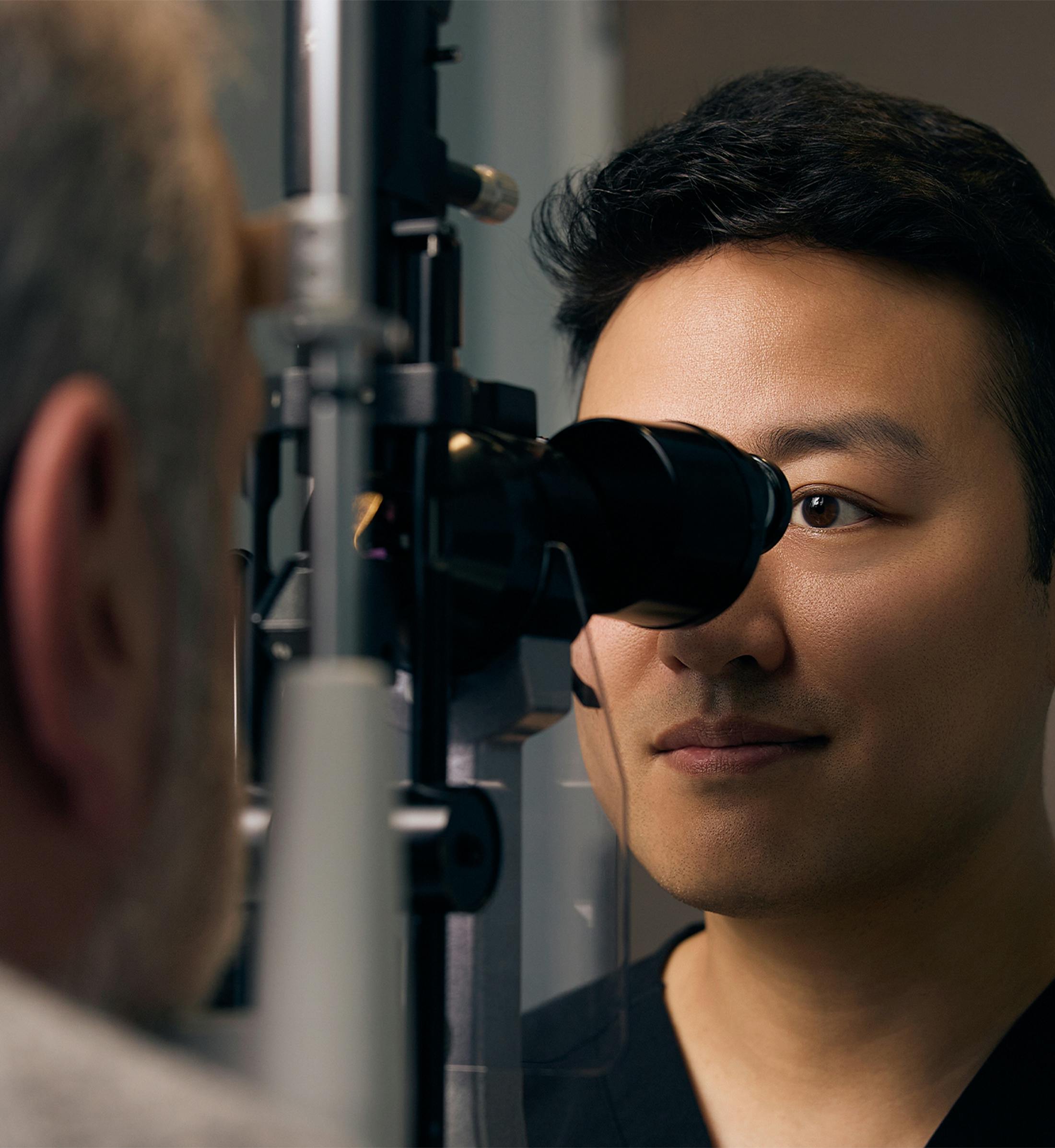
doctor examining a patient's eyes

What Is a Cataract?

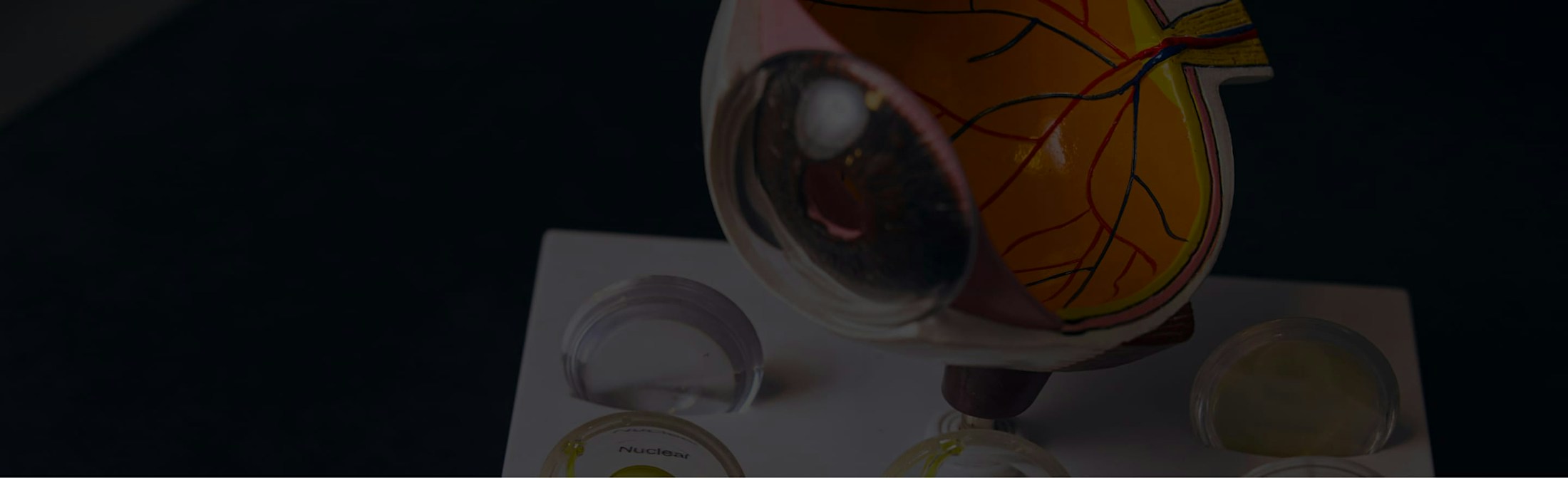
A cataract is a cloudiness of the normally transparent lens situated behind the iris. The lens focuses light rays on the retina at the back of the eye to produce a sharp image of what we see. When the lens becomes cloudy, light rays cannot pass through it easily, and the image becomes blurry, similar to having the lens in a camera turn murky.

This can result from trauma, certain diseases like diabetes, medications, or heredity, but most commonly is simply a consequence of age, as the proteins in the lens break down. Once diagnosed, a cataract only worsens with time.

doctor examining a patient

Do I Need Cataract Surgery?

Generally, it makes sense to pursue cataract surgery when the symptoms of cataract (diminished vision, difficulty driving at night, challenges with reading, etc.) have become bothersome or are reducing one’s independence or quality of life. Surgery can typically take place on a patient’s own timeline. That said, it’s advisable not to wait excessively long, as the complication rate begins to rise when the cataract has become too dense, the patient is older, or a concomitant disease develops. Your doctor will help you decide when the benefits of surgery outweigh the risks for your eyes.


Cataract Self Test

How Is Surgery Performed?

Surgery is the only way to remove a cataract. There are no medications, eye drops, exercises, or glasses that will cause cataracts to disappear once they have formed.

Under an operating microscope, a small incision is made into the eye. Microsurgical instruments and ultrasound are used to break up and remove the cloudy lens, while the back membrane of the lens (the posterior capsule) is left in place. A permanent intraocular lens (IOL) implant is then placed inside the eye. The incision is so small that, in most cases, no stitches are required. This is sometimes called “no-stitch” cataract surgery.

Will I Be Awake and Will It Hurt?

Your eye is numbed with local anesthesia, and medication can help you relax. Most patients remain awake and feel little to no discomfort. You may notice lights or movement, but you will not need to hold your eye open. Let your surgical team know if you feel uncomfortable.

Banner media

Your Safety During Cataract Surgery

Modern cataract surgery uses a small, usually self-sealing incision. A controlled flow of fluid helps maintain a stable environment inside the eye while the clouded lens is removed. The skin around your eye is cleansed, and sterile coverings are placed around it. Your surgeon works with the anesthesia and nursing team to monitor your care throughout the procedure. The surgeon’s experience also matters. Many of our physicians trained at Wills Eye Hospital, and members of our surgical team continue to teach cataract surgery to doctors in training. Our physicians also teach and direct surgical skills courses at national and international meetings. Learn more about our academic excellence and innovation.

Visual field analyzer

Schedule a Consultation

Contact Us

Will Cataract Surgery Improve My Vision?

Most patients see better after cataract surgery, but results depend on the health of the eye as well as the procedure itself.

What Are the Risks?

Infection, bleeding, swelling, or retinal detachment are among the more serious complications that may affect vision. Call your ophthalmologist immediately if you experience any of the following after surgery:

  • Pain not relieved by non-prescription pain medication
  • Loss of vision
  • Nausea or vomiting
  • Injury to the eye
  • Swelling of the eyelids

Cataract surgery is real surgery, and some risks are always involved. Your doctor will discuss your individual risks and expected benefits so you can make an informed decision.

Pre-Existing Conditions

If the eye is healthy, the chances are excellent that vision will improve following cataract removal. Pre-existing conditions such as macular degeneration, glaucoma, or diabetic damage may limit vision after surgery, but even in these cases, cataract surgery may still be worthwhile.

Where Is the Surgery Performed?

Surgery is performed at the Surgery Center of Central New Jersey, a state-of-the-art outpatient surgical center in North Brunswick that is part of the Wills Eye Surgical Network. The center brings together advanced surgical equipment and an experienced team focused on your comfort and safety. Wills Eye Hospital is consistently recognized among the nation’s leading eye hospitals. Learn more about our surgery center and its connection to Wills Eye.

Will I Need Glasses After the Surgery?

An additional benefit of cataract surgery is that the replacement lens can correct nearsightedness, farsightedness, or astigmatism. Precise measurements and calculations help your doctor choose the lens power for your eye. A monofocal lens generally focuses at one distance; other options may reduce your need for glasses at additional distances. The final result also depends on the lens’s position and individual healing, so freedom from glasses cannot be guaranteed. Some lenses can cause glare or halos. Your doctor will help determine the best lens for your individual needs and goals. Explore your intraocular lens options.

What If I Need Cataract Surgery and Also Have Glaucoma?

Some glaucoma procedures can be combined with cataract surgery to help lower eye pressure. Your doctor will help determine if these are appropriate for your glaucoma. Learn about minimally invasive glaucoma surgery (MIGS).

What Can I Expect if I Decide to Have Surgery?

Our What to Expect guide walks you through the consultation, lens selection, surgery day, and recovery. Your care team will give you instructions about medications, eating and drinking before surgery, transportation, and returning to your usual activities.

What to Expect

Banner media
Accessibility: If you are vision-impaired or have some other impairment covered by the Americans with Disabilities Act or a similar law, and you wish to discuss potential accommodations related to using this website, please contact our Accessibility Manager at (609) 921-9437.
Request an Appointment