Macular Degeneration Princeton, Monroe Township, & Somerset, NJ

Age-related macular degeneration (ARMD) is a disease that affects older patients. ARMD is the leading cause of visual impairment and blindness in Americans over the age of 60. It affects close to 20 million people in the United States. For as yet unknown reasons, the center of the retina, the macula, begins to deteriorate with time. Because the macula is responsible for virtually all of a person’s sharp, central vision, any degeneration can lead to significant deficits. There are two defined types of macular degeneration.
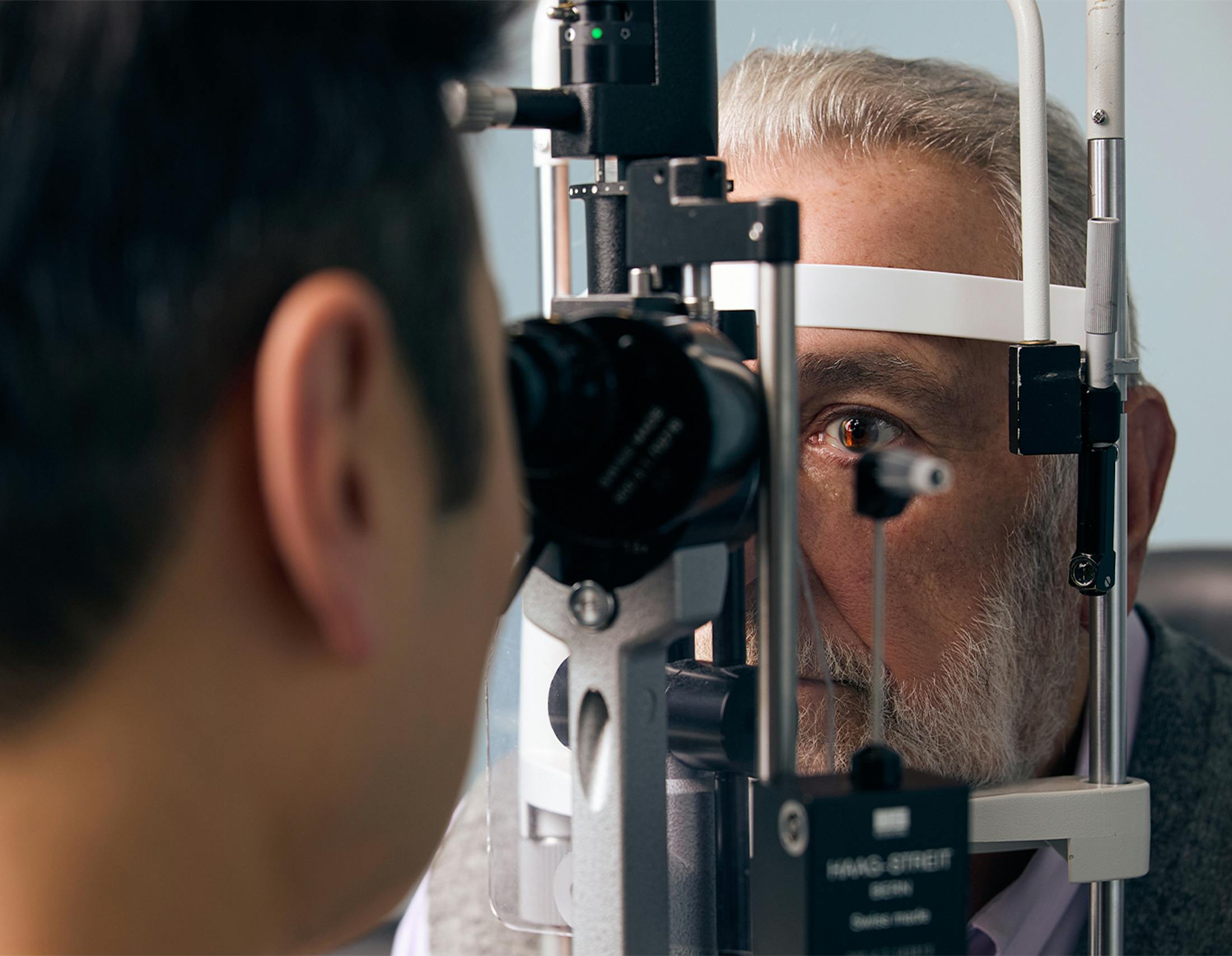

doctor examining a patient

Dry ARMD

Approximately 90% of AMD cases are the dry form, which causes a gradual vision loss due to aging of the macula. In the dry form, there is a loss of central macular tissue. There is no known etiology, but the disease only occurs in older individuals. Some researchers believe that age-related oxidative damage may be part of the cause. From several major national and international studies, there is strong evidence that a diet high in antioxidants reduces the risk of progression of macular degeneration. It is not a cure, nor can it reverse any damage that has occurred.

The Role of Nutritional Supplements

The Original AREDS Study

In 2006, the first Age-Related Eye Disease Study (AREDS) led by the National Institutes of Health found that patients taking the original AREDS supplement formulation—500 mg of vitamin C, 400 IU of vitamin E, 80 mg of zinc, 15 mg of beta-carotene, and 2 mg of copper—were 25% less likely to progress to advanced AMD than patients who received a placebo. There was additional evidence outside of the trial suggesting that diets high in lutein, zeaxanthin, and omega-3 fatty acids might also reduce the progression of AMD, prompting a second large multi-center trial named AREDS2. Other research suggested that beta-carotene, part of the original AREDS formula, might increase the risk of lung cancer in smokers and needed to be studied more carefully. The dosage of zinc was also examined in AREDS2, as there was concern that the 80 mg dose in the original study might place some patients at risk of side effects.

The AREDS2 Study

In 2013, the AREDS2 Study Group released its first conclusions. Although the study design was complex, AREDS2 found that those who took an AREDS formula with lutein and zeaxanthin but no beta-carotene reduced their risk of AMD progression by about 20%, compared with participants who took an AREDS formulation with beta-carotene but no lutein or zeaxanthin.

This was especially notable because removing beta-carotene from the recommended AREDS formula would also reduce the potential for increased lung cancer risk in previous or current smokers with AMD.

Dr. Liu's Current Supplement Recommendations

Since the release of the AREDS2 data, Dr. Liu's recommendations for AREDS vitamin supplements are as follows:

  • No Evidence of AMD on Examination: Dr. Liu recommends a diet rich in green, leafy vegetables and omega-3 fatty acids, supplemented with a daily multivitamin.
  • Evidence of Early or Moderate AMD on Exam: Dr. Liu recommends the same healthy diet and multivitamin, supplemented with an AREDS2 formula vitamin containing lutein and zeaxanthin.
  • Evidence of Advanced AMD on Exam: Dr. Liu does not recommend adding an AREDS vitamin, as this has not been shown to prevent progression in either of the AREDS studies.
woman smiling

Wet ARMD

Around 10% of AMD cases are the wet form, which can progress quickly, resulting in blurring and potential loss of central vision. Nearly 200,000 people are diagnosed with wet AMD each year. The condition involves the growth of abnormal blood vessels in the back of the eye. As these vessels grow, they can leak blood and fluid, damaging the macula. In addition to abnormal blood vessel growth, certain proteins are thought to play a major role in causing wet AMD.

How Wet AMD Is Treated

Although there is no cure, treatment exists to arrest and potentially reverse the effects of wet AMD. Intravitreal injections are used to target the abnormal blood vessels that grow underneath the retina. A number of medicines are now indicated for this condition, including Avastin, Lucentis, Eylea, and steroids—collectively known as anti-VEGFs, as they inhibit vascular endothelial growth factor (VEGF), a protein involved in the proliferation of abnormal blood vessels.

Treatment Outcomes

When it was introduced, Lucentis became a breakthrough treatment for wet AMD—not only stabilizing vision in many patients, but actually improving it through serial treatment. In key clinical trials, approximately 95% of patients treated with Lucentis found that their vision stayed the same, and up to 40% experienced significant improvement. Wet AMD is a chronic condition, but in many cases it can be managed and potentially controlled with anti-VEGF treatments.

Schedule Your Consultation

If you or a loved one is concerned about age-related vision changes, contact us to explore advanced macular degeneration treatment in Princeton, Monroe Township, & Somerset, NJ.

Accessibility: If you are vision-impaired or have some other impairment covered by the Americans with Disabilities Act or a similar law, and you wish to discuss potential accommodations related to using this website, please contact our Accessibility Manager at (609) 921-9437.
Request an Appointment