BOTOX & Dermal Fillers Princeton, Monroe Township, & Somerset, NJ

BOTOX and dermal fillers are two of the most effective and widely used tools in facial aesthetic medicine—and at Princeton Eye Group, both are administered exclusively by fellowship-trained physicians with a surgical-level understanding of facial and periocular anatomy.

doctor giving a patient botox

Restoring and Refreshing Your Appearance

Facial aging involves two distinct processes that often occur simultaneously. Dynamic wrinkles—the lines that form from repeated facial movement such as squinting, frowning, and smiling—develop over time as the underlying muscles contract and the overlying skin loses its elasticity. At the same time, the face gradually loses the structural volume that gives it a youthful, lifted appearance, causing the cheeks to flatten, the under-eye area to hollow, and deep folds to deepen at rest. BOTOX addresses the muscular activity driving dynamic wrinkles. Dermal fillers address volume loss and static lines that are present even without facial movement. Used separately or together, these treatments can produce meaningful, natural-looking facial rejuvenation without surgery or significant recovery time.

woman touching her forehead

What Is BOTOX?

BOTOX (onabotulinumtoxinA) is a purified neurotoxin protein that temporarily relaxes the facial muscles responsible for dynamic wrinkles. When injected in precise, carefully calibrated amounts, BOTOX reduces the muscular contractions that create lines in the overlying skin—softening existing wrinkles and preventing new ones from deepening over time. Results typically become apparent within three to seven days and last three to four months on average, with some patients experiencing a longer duration over time.


Cosmetic Uses of BOTOX

BOTOX is most commonly used to treat dynamic wrinkles in the upper and middle face. Common treatment areas include horizontal forehead lines, frown lines between the brows (glabellar lines), and crow's feet at the outer corners of the eyes. It can also be used for brow lifting, treatment of bunny lines along the nose, softening of chin dimpling, and reduction of neck bands. Treatment is highly individualized—the goal is always a natural, refreshed result that preserves facial expression rather than an immobile or overdone appearance.

Therapeutic Uses of BOTOX

Beyond cosmetic applications, BOTOX has well-established medical uses in ophthalmology. Princeton Eye Group's physicians have extensive experience using BOTOX therapeutically for conditions including blepharospasm (involuntary eyelid spasms), hemifacial spasm, and other medically indicated periocular conditions. This depth of therapeutic experience with BOTOX in a medical context reflects a level of anatomical precision and clinical rigor that distinguishes our approach from aesthetic-only providers.

Schedule a Consultation

Contact Us
Contact us media

The BOTOX Process What to Expect

Cosmetic Consultation

Your physician will assess your facial anatomy, review your areas of concern, and discuss your aesthetic goals. A personalized injection plan is developed based on your facial structure, muscle activity, and desired outcome.

Treatment Day

BOTOX is administered using a very fine needle. Most patients describe the sensation as a mild pinch. No anesthesia is required, though a topical numbing cream may be applied upon request. Treatment typically takes 15 to 30 minutes, depending on the areas addressed.

Immediate Post-Treatment

Minor redness or swelling at injection sites is common and resolves quickly. Patients are advised to avoid lying down, exercising vigorously, or rubbing the treated area for several hours following the procedure.

Results and Maintenance

Results become visible within three to seven days and typically last three to four months. Periodic maintenance treatments allow patients to sustain their results over time.

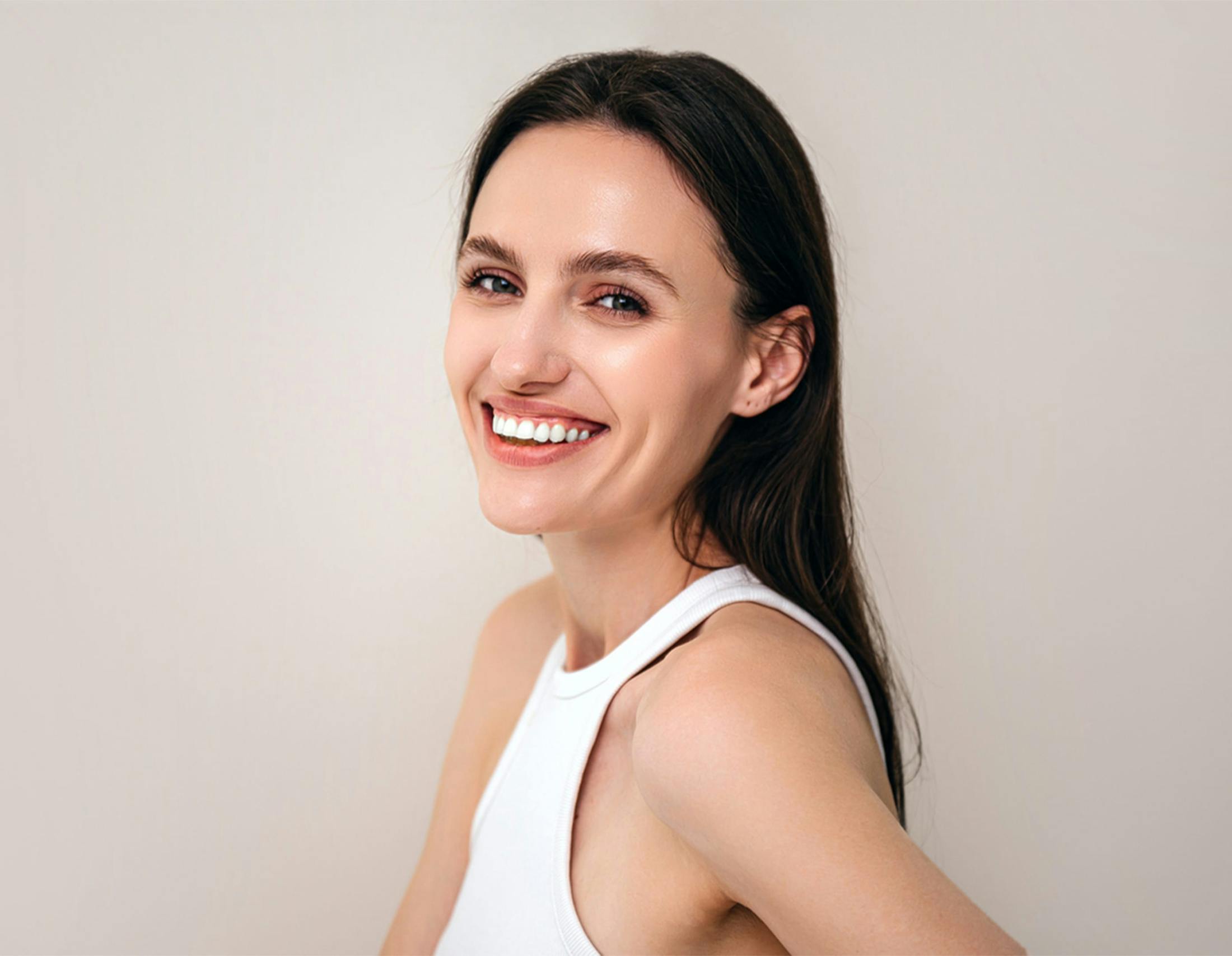
woman smiling to the side

What Are Dermal Fillers?

Dermal fillers are injectable substances used to restore lost volume, smooth static lines and folds, and enhance facial contours. The most widely used fillers are composed of hyaluronic acid—a naturally occurring substance in the body that attracts and retains moisture—providing immediate volumizing and smoothing effects. Hyaluronic acid fillers are reversible, well-tolerated, and produce results that integrate naturally with the surrounding tissue. Depending on the area treated and the product used, results typically last from six months to two years or more.

Cosmetic Uses of Dermal Fillers

Dermal fillers are most effective for restoring volume and smoothing lines that are present even at rest. Common treatment areas include the cheeks, nasolabial folds, marionette lines, lips, jawline, and temples.

Not every facial concern is best addressed with filler—candidacy, product selection, and treatment area are determined individually based on each patient's anatomy, degree of volume loss, and aesthetic goals.

Overfilling or treating inappropriate areas are among the most common errors in filler administration, and our physicians approach every treatment plan with that in mind.

The Benefits of BOTOX and Dermal Fillers

  • Targets Both Dynamic and Static Aging: BOTOX addresses muscular activity driving dynamic wrinkles, while fillers restore the volume and structural support lost with age—together offering a more comprehensive rejuvenation than either treatment alone.
  • Natural-Looking Results: When administered by skilled, anatomy-trained physicians, both BOTOX and fillers produce subtle, balanced results that enhance the face's natural structure rather than altering it.
  • Physician-Administered for Maximum Safety: At Princeton Eye Group, all injectable treatments are performed exclusively by fellowship-trained physicians—never delegated to non-physician injectors—ensuring the highest standard of anatomical precision and clinical judgment.
  • Immediate and Gradual Improvement: Dermal fillers produce visible results immediately following treatment. BOTOX results develop over three to seven days. Both improve gradually as swelling resolves and the treatments settle.
  • Reversibility: Hyaluronic acid fillers can be dissolved with hyaluronidase if needed, providing an important safety option. BOTOX effects are temporary and resolve naturally over time.
  • Minimal Downtime: Both treatments are performed in-office with no surgery required. Some patients experience swelling or bruising at injection sites that may last several days, particularly with fillers.
Banner media

Is Treatment Right for Me?

BOTOX is appropriate for adults experiencing dynamic facial wrinkles related to muscle movement who are seeking a refreshed, natural-looking result without surgery. It is not appropriate for patients who are pregnant, breastfeeding, or have certain neuromuscular conditions. Dermal fillers are well-suited for adults experiencing visible volume loss, deep static lines or folds, or loss of facial definition.

They are not appropriate for patients who are pregnant, breastfeeding, have active skin infections in the planned treatment area, or have certain bleeding disorders or autoimmune conditions. Filler treatment around the eyes and certain areas of the face carries rare but potentially serious risks related to vascular anatomy, including inadvertent injection into blood vessels.

This risk underscores the importance of receiving filler treatment from a physician with detailed knowledge of facial and periocular vascular anatomy. A thorough consultation at Princeton Eye Group will determine which treatment or combination of treatments is most appropriate for your goals, confirm your candidacy, and establish a personalized plan.

The Dermal Filler Process What to Expect

Cosmetic Consultation

Your physician will assess your facial anatomy, discuss the areas of concern you wish to address, and develop a personalized treatment plan tailored to your goals and the natural structure of your face.

Personalized Product Selection

Based on your consultation, your physician will select the most appropriate filler product or combination of products, taking into account the area being treated, the degree of volume loss, and your desired outcome.

Treatment Day

A topical numbing cream is applied prior to injection. Using a fine needle or cannula, your physician delivers the filler carefully into the targeted areas. Treatment typically takes 30 to 60 minutes, depending on the number of areas addressed.

Immediate Post-Treatment

Some mild swelling, redness, or bruising at injection sites is normal and typically resolves within a few days. Final results are visible once any initial swelling has settled, usually within one to two weeks.

Follow-Up and Maintenance

Dermal filler results are temporary and vary in duration depending on the product used and the area treated. Your physician will recommend a follow-up schedule to maintain results over time.

Your Results and Recovery

BOTOX requires no recovery time. Patients return to normal activities immediately, with minor injection site redness typically resolving within a few hours. Results appear gradually over three to seven days.

Dermal filler treatments involve minimal downtime, though some patients experience swelling, redness, or bruising at injection sites that may last several days. Strenuous exercise, significant heat exposure, and alcohol are best avoided for 24 to 48 hours following filler treatment. Final results are fully apparent within one to two weeks once swelling has resolved.

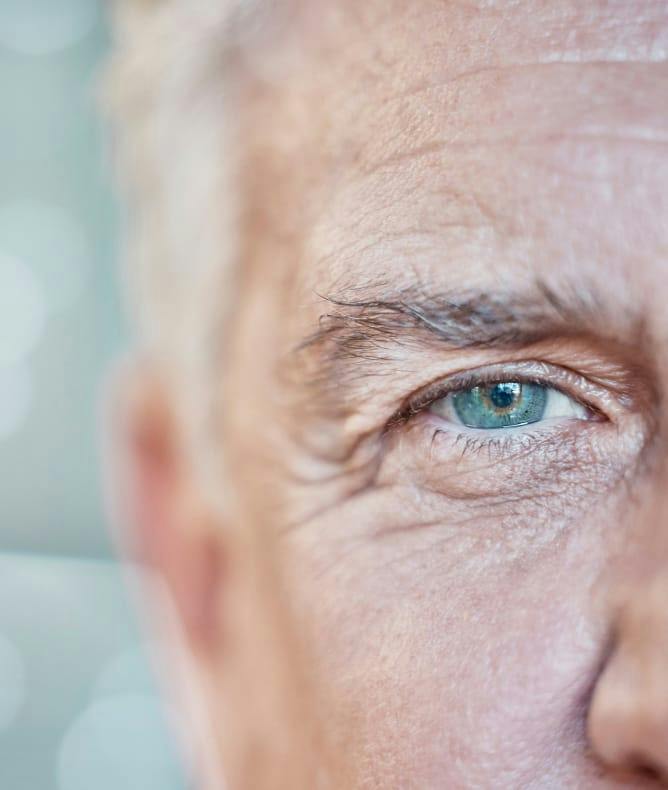
man's eye

Why Choose Princeton Eye Group for BOTOX and Dermal Fillers?

Injectable aesthetic treatments require detailed knowledge of facial anatomy and vascular structures—and Princeton Eye Group's physicians bring a level of anatomical expertise that is exceptionally rare in a cosmetic setting.

Physician-Administered Injections

All BOTOX and dermal filler treatments at Princeton Eye Group are performed exclusively by physicians—never by nurses, aestheticians, or other non-physician injectors. This ensures that every treatment reflects the clinical judgment and anatomical expertise of a trained specialist.

Unparalleled Periocular and Facial Anatomy Expertise

As fellowship-trained ophthalmologists and oculoplastic surgeons, our physicians possess an exceptionally detailed knowledge of facial vascular anatomy, including the critical structures around the eyes where filler-related complications are most serious. This expertise is the foundation of safe, precise injectable care.

Therapeutic Experience That Informs Cosmetic Practice

Princeton Eye Group's physicians have extensive experience using BOTOX for therapeutic medical purposes in ophthalmology, including treatment of blepharospasm and hemifacial spasm. This clinical depth informs and elevates their approach to cosmetic BOTOX administration.

A Comprehensive Aesthetic Program

Princeton Eye Group offers a full range of surgical and non-surgical aesthetic services—including eyelid surgery, IPL skin rejuvenation, and RF facial contouring—allowing BOTOX and dermal fillers to be integrated into a comprehensive, personalized facial rejuvenation plan.

Medically Grounded Cosmetic Care

Receiving injectable treatments within a physician-led ophthalmology and oculoplastics practice means aesthetic goals are always pursued within a medically rigorous framework, with patient safety, anatomical precision, and long-term outcomes prioritized above all else.

Convenient Locations Across Central New Jersey

With offices in Princeton, Monroe Township, and Somerset, Princeton Eye Group makes expert injectable aesthetic care accessible to patients throughout New Jersey in a setting that is physician-led, welcoming, and convenient.

BOTOX and Dermal Fillers Frequently Asked Questions

What is the difference between BOTOX and dermal fillers?

BOTOX relaxes the muscles responsible for dynamic wrinkles—lines caused by repeated facial movement such as frowning or squinting. Dermal fillers restore lost volume and smooth static lines and folds that are present even at rest. The two treatments address different aspects of facial aging and are frequently used together for more comprehensive results.

How long does BOTOX last?

BOTOX results typically last three to four months, though duration varies by individual. Some patients find that results last longer with regular maintenance treatments over time.

How long do dermal fillers last?

Results vary depending on the product used, the area treated, and individual factors such as metabolism and lifestyle. Most hyaluronic acid fillers last between six months and two years. Your physician will discuss the expected longevity of your specific treatment during your consultation.

Are injectable treatments safe?

When administered by a trained physician with a thorough understanding of facial anatomy and vascular structures, BOTOX and dermal fillers have well-established safety profiles. Serious complications are rare but can occur, including vascular complications with fillers that may result from inadvertent injection into a blood vessel. The risk of serious complications is significantly reduced when treatment is performed by an experienced physician with detailed knowledge of facial vascular anatomy.

Can dermal fillers be reversed?

Yes. Hyaluronic acid fillers can be dissolved using an enzyme called hyaluronidase, which breaks down the filler. This reversibility is an important safety advantage of hyaluronic acid-based products.

Is treatment painful?

Most patients find both BOTOX and dermal filler treatments to be very tolerable. BOTOX injections involve a mild pinch. A topical numbing cream is applied prior to filler injections, and most filler products also contain lidocaine to further minimize discomfort.

Can BOTOX and fillers be combined in the same session?

Yes, BOTOX and dermal fillers are frequently administered in the same treatment session and are highly complementary. Your physician will discuss whether a combination approach is appropriate based on your goals and anatomy.

Can BOTOX be used for medical conditions?

Yes. BOTOX has well-established therapeutic applications in ophthalmology, including treatment of blepharospasm and hemifacial spasm. Princeton Eye Group's physicians are experienced in both the cosmetic and therapeutic uses of BOTOX.

Do I need a referral for injectable treatments at Princeton Eye Group?

No referral is required. You are welcome to schedule a cosmetic consultation directly with Princeton Eye Group at any of our three locations in Princeton, Monroe Township, and Somerset.

Accessibility: If you are vision-impaired or have some other impairment covered by the Americans with Disabilities Act or a similar law, and you wish to discuss potential accommodations related to using this website, please contact our Accessibility Manager at (609) 921-9437.
Request an Appointment