IPL Treatment for Dry Eye and Ocular Rosacea Princeton, Monroe Township, & Somerset, NJ

For patients whose dry eye symptoms are rooted in inflammation and Meibomian Gland Disease (MGD), Intense Pulsed Light (IPL) therapy offers a clinically proven, drug-free path to lasting relief.

Looking for IPL skin rejuvenation or photofacial treatment? Visit our IPL Skin Rejuvenation page.

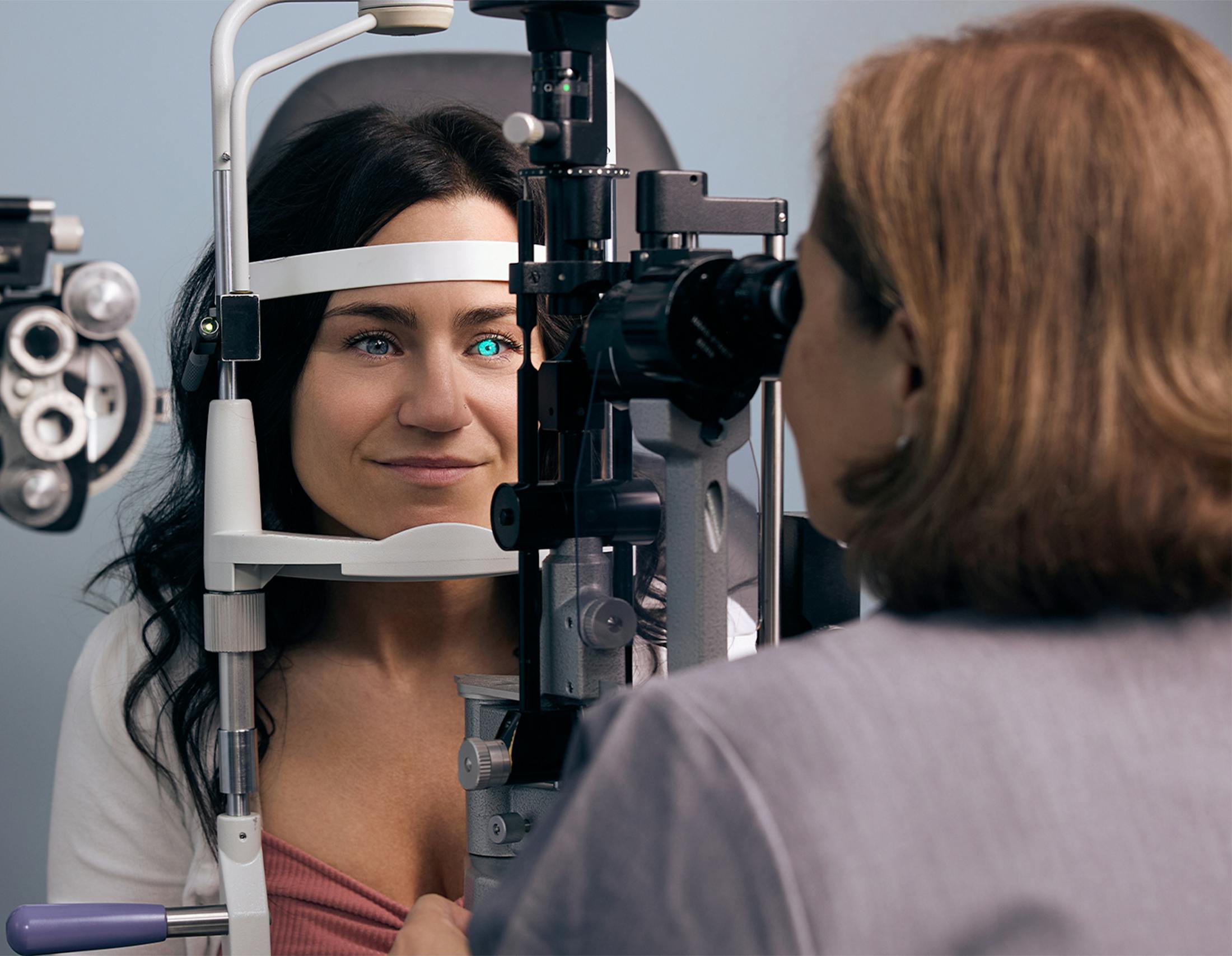
doctor examing a patient

Feel Comfortable and See Clearly

Chronic dry eye driven by inflammation can feel like a never-ending battle: drops that wear off, medications with side effects, and symptoms that never fully resolve. If rosacea, blepharitis, or meibomian gland dysfunction is at the root of your discomfort, the problem isn't just on the surface. IPL therapy targets the underlying inflammation causing your symptoms, rather than simply masking them. At Princeton Eye Group, we offer the Lumenis OptiLight, the first IPL device FDA-approved specifically for evaporative dry eye disease, delivering a precision treatment backed by decades of ophthalmic expertise.

woman smiling

What Is IPL Inflammation Therapy?

Intense Pulsed Light (IPL) therapy uses carefully calibrated pulses of red light energy to target the abnormal blood vessels and inflammation along the eyelid margins that contribute to evaporative dry eye. Originally developed for dermatological conditions such as rosacea, IPL has been refined and FDA-approved for the treatment of dry eye disease through the Lumenis OptiLight system. By addressing the inflammatory root cause of meibomian gland dysfunction, IPL helps restore the natural function of the glands responsible for producing the lipid layer of the tear film, the layer that prevents tears from evaporating too quickly.

The Benefits of IPL Inflammation Therapy

  • Targets the Root Cause of Inflammation: Rather than providing temporary symptom relief, IPL addresses the underlying vascular inflammation that drives evaporative dry eye, offering more durable results.
  • FDA-Approved Technology: The Lumenis OptiLight is the first and only IPL device FDA-approved specifically for the treatment of dry eye disease, providing a clinically validated treatment option.
  • Reduces Dependence on Chronic Medications: Many patients experience a significant reduction in or complete elimination of their reliance on daily eye drops and other ongoing dry eye medications following a course of IPL treatments.
  • Effective for Ocular Rosacea and Blepharitis: IPL is particularly well-suited for patients whose dry eye is linked to rosacea, acne, seborrhea, or blepharitis, conditions that are difficult to manage with drops or medications alone.
  • Quick, In-Office Treatment: Each IPL session is performed in-office in a matter of minutes, with no downtime required, making it easy to fit into a busy schedule.
  • Improves Tear Film Stability: By restoring meibomian gland function, IPL helps improve the quality of the lipid layer of the tear film, reducing evaporation and supporting long-term ocular surface health.

Schedule a Consultation

Contact Us
Contact us media

Is IPL Inflammation Therapy Right for Me?

IPL therapy is an excellent option for patients with evaporative dry eye, particularly those whose symptoms are associated with meibomian gland dysfunction, rosacea, blepharitis, seborrhea, or chronic lid margin inflammation. Ideal candidates are adults experiencing persistent dry eye symptoms that have not been adequately controlled with artificial tears, prescription medications, or other conventional treatments.

IPL may not be appropriate for patients with very dark skin tones, certain photosensitive conditions, uncontrolled autoimmune conditions, or those taking medications that increase sensitivity to light. A comprehensive dry eye evaluation at Princeton Eye Group will help determine whether IPL is the right treatment for your specific presentation and history.
The IPL Inflammation Therapy Process What to Expect

Comprehensive Dry Eye Evaluation

Your Princeton Eye Group physician will perform a thorough assessment of your tear film, meibomian gland function, and ocular surface, including Tear Osmolarity Testing and a review of your symptoms and history, to confirm that IPL is the appropriate treatment for you.

Personalized Treatment Plan

Based on your evaluation, your physician will develop a customized IPL treatment plan, typically consisting of a series of four sessions spaced two to four weeks apart for optimal results.

Treatment Day

Protective eyewear is placed over your eyes, and a thin layer of gel is applied to the treatment area. The OptiLight device delivers precise, controlled pulses of light across the skin. Each session takes approximately 10 to 15 minutes.

Meibomian Gland Expression

Immediately following each IPL session, your physician will perform a gentle meibomian gland expression to help release any trapped secretions and maximize the therapeutic benefit of the treatment.

Follow-Up and Maintenance

Most patients notice improvement after their second or third session, with continued improvement following the completion of the full series. Periodic maintenance treatments are recommended to sustain results over time. Patients should apply sunblock routinely over treated areas as part of their ongoing care.

Your IPL Results and Recovery

IPL inflammation therapy requires no downtime; most patients return to their normal activities immediately following each session. Some patients experience mild, temporary redness in the treated area, which typically resolves within a few hours. Meaningful improvement in dry eye symptoms is generally noticed after the second or third treatment, with full results appreciated upon completing the recommended series of four sessions. Because IPL addresses the underlying inflammatory process rather than just the symptoms, results tend to be more durable than conventional therapies. Maintenance sessions, typically once or twice a year, are recommended to preserve long-term outcomes and continued meibomian gland health.

man in suit

Meet Your IPL Specialists Dr. Anita Miedziak and Dr. Suzanne Jadico

IPL inflammation therapy at Princeton Eye Group is performed by Dr. Anita Miedziak and Dr. Suzanne Jadico. Dr. Miedziak is our Director of Cornea and Contact Lens Services, fellowship-trained at Wills Eye Hospital and Johns Hopkins Wilmer Institute. Dr. Jadico is a double valedictorian, Director of our LASIK and Vision Correction Department, and faculty member at Wills Eye Hospital's Cataract and Primary Eye Care department. Together, they bring an exceptional level of clinical expertise to every IPL dry eye treatment.

Banner media

Why Choose Princeton Eye Group?

Princeton Eye Group brings the same level of subspecialty precision to dry eye care that it applies across every dimension of ophthalmology, ensuring that patients in New Jersey have access to the most advanced treatments available.

Advanced Technology, Physician-Guided Care

The Lumenis OptiLight is administered under the direct supervision of our ophthalmologists, not delegated to ancillary staff, ensuring clinical precision and a treatment plan grounded in a thorough medical evaluation.

Comprehensive Dry Eye Diagnosis

Before any treatment is recommended, we perform a full diagnostic workup using advanced tools, so that every treatment plan is based on an accurate, complete picture of your ocular surface health.

Subspecialty Depth

As a full-spectrum ophthalmology practice covering nearly every subspecialty, Princeton Eye Group is uniquely equipped to manage the full complexity of dry eye disease, including cases that involve corneal, retinal, or autoimmune components.

Physician-Owned, Patient-Centered

As a privately owned, physician-led practice, every clinical decision at Princeton Eye Group is made by doctors, not corporate administrators, with one priority in mind: your long-term eye health.

Trusted Across Central New Jersey

With offices in Princeton, Monroe Township, and Somerset, Princeton Eye Group has been the region's trusted ophthalmology practice since 1980, serving generations of patients with the expertise and compassion of a world-class eye care team.

IPL Inflammation Therapy Frequently Asked Questions

How many IPL sessions will I need?

Most patients complete a series of four treatments spaced two to four weeks apart. Some patients may benefit from additional sessions depending on the severity of their dry eye and their response to treatment.

Is IPL therapy painful?

IPL therapy is generally well tolerated. Most patients describe a mild warming sensation or a brief, gentle snap during treatment. Protective eyewear is worn throughout, and a cooling gel is applied to the skin to maximize comfort.

How soon will I see results?

Many patients begin to notice improvement in their symptoms after the second or third session. Full results are typically appreciated after completing the recommended series, with continued improvement in the weeks following the final treatment.

Can IPL replace my eye drops?

Many patients experience a significant reduction in their dependence on artificial tears and other dry eye medications following IPL therapy. Some are able to discontinue chronic medications entirely. Your physician will help you assess your progress and adjust your treatment plan accordingly.

Is the Lumenis OptiLight safe?

Yes, the Lumenis OptiLight is the first IPL device FDA-approved specifically for the treatment of dry eye disease. It has an established safety profile and has been validated in multiple clinical studies.

Does insurance cover IPL therapy?

IPL therapy for dry eye is generally considered an elective procedure and is not typically covered by medical insurance. Our team can discuss the cost of treatment and available financing options during your consultation.

What is the difference between IPL and other dry eye treatments?

Unlike artificial tears or medications that manage symptoms on a daily basis, IPL therapy targets the underlying inflammation and meibomian gland dysfunction driving evaporative dry eye. This makes it a more targeted, longer-lasting solution for appropriate candidates.

Can IPL help with ocular rosacea?

Yes, IPL is particularly effective for patients whose dry eye symptoms are linked to ocular rosacea. The light energy targets the abnormal blood vessels associated with rosacea, reducing the inflammation that contributes to lid margin disease and meibomian gland dysfunction.

Accessibility: If you are vision-impaired or have some other impairment covered by the Americans with Disabilities Act or a similar law, and you wish to discuss potential accommodations related to using this website, please contact our Accessibility Manager at (609) 921-9437.
Request an Appointment