The retina is one of the most vital and delicate structures in the eye, and when retinal health is threatened, having the right specialist in your corner makes all the difference.
Retina Care Princeton, Monroe Township, & Somerset, NJ
What Is Retina Care?
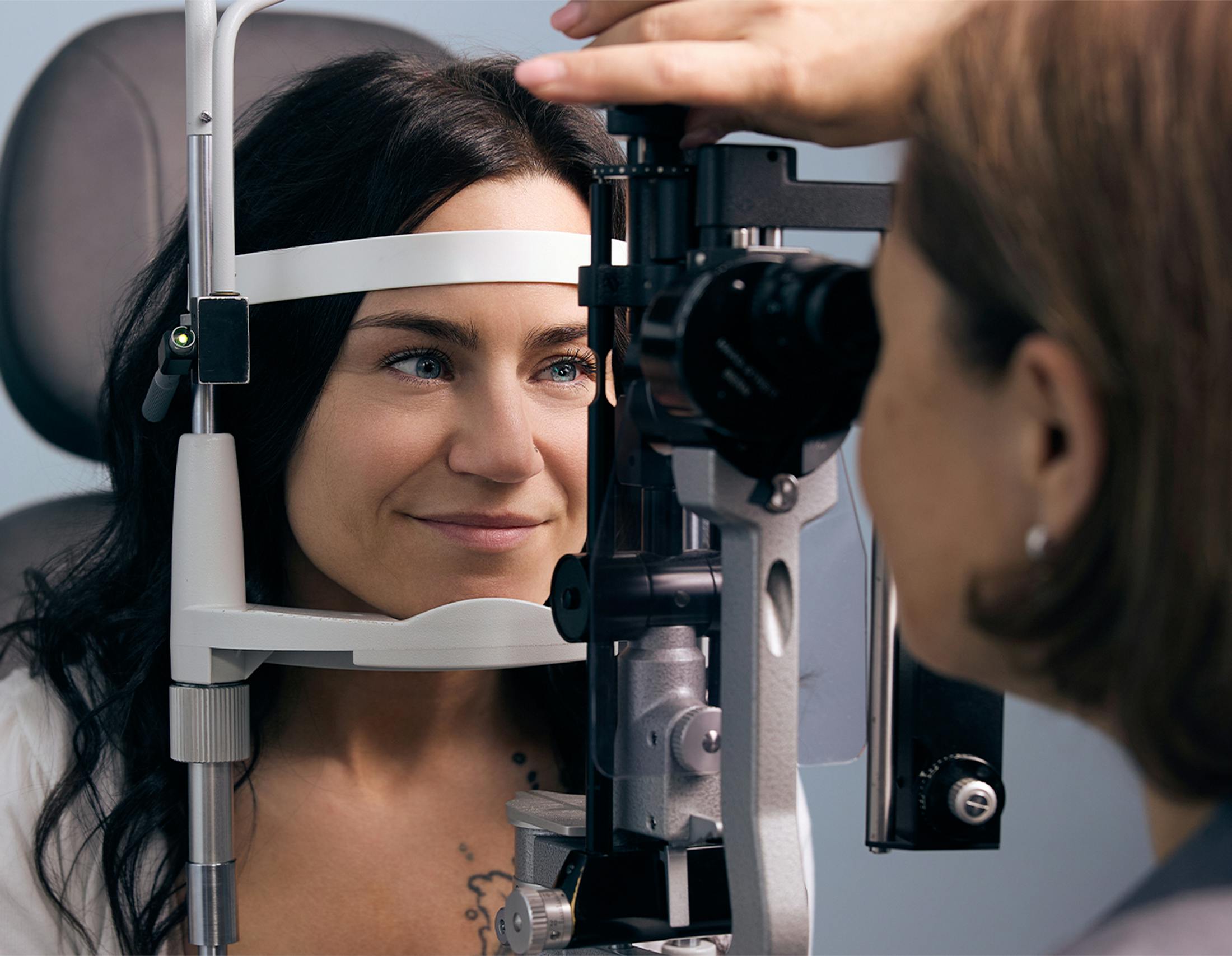
The retina is the thin layer of light-sensitive nerve tissue lining the back of the eye. It captures visual information and transmits it to the brain through the optic nerve, making it essential to nearly every aspect of vision. Retinal diseases can affect the macula — the central region responsible for sharp, detailed vision, or the peripheral retina, and can range from manageable chronic conditions to acute emergencies requiring immediate intervention. Princeton Eye Group's retinal specialists are experienced in diagnosing and treating the full spectrum of medical retinal disease, using the latest imaging technology and treatment protocols to achieve the best possible outcomes for every patient. When necessary, Princeton Eye Group’s strong relationship with local top-notch surgical retina practices allows our patients to get any surgical treatment they need expeditiously.

Conditions We Treat and Treatments We Offer
Diabetic Retinopathy
Diabetic Retinopathy
Diabetic retinopathy is a leading cause of vision loss among adults, occurring when elevated blood sugar damages the small blood vessels of the retina. Our retinal specialists provide comprehensive evaluation and treatment for all stages of diabetic retinopathy, from early monitoring to advanced surgical intervention.
Macular Degeneration
Macular Degeneration
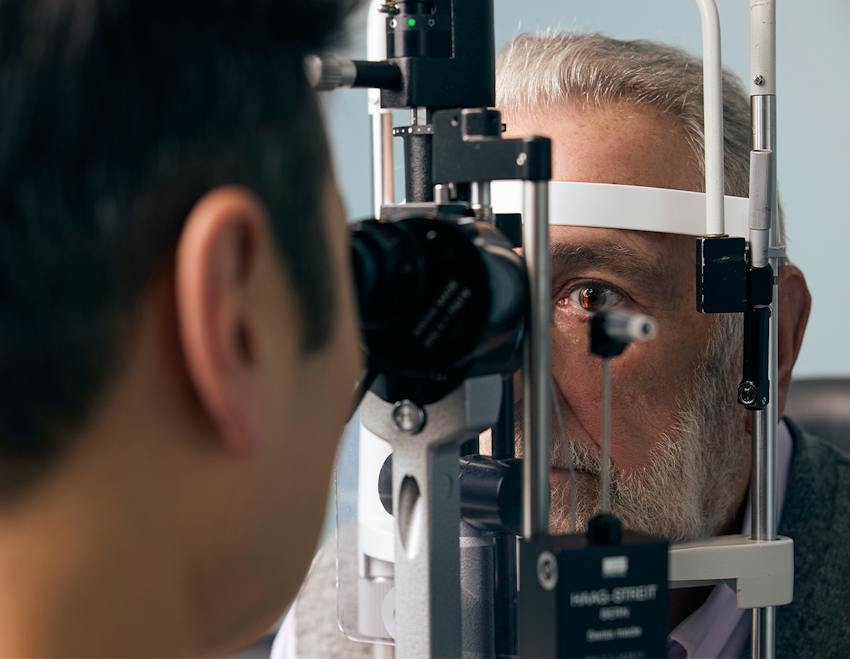
Age-related macular degeneration (AMD) affects the central portion of the retina and is a leading cause of vision loss in adults over 60. Princeton Eye Group offers the latest treatments for both dry and wet AMD, including nutritional guidance, anti-VEGF injections, and ongoing monitoring to preserve central vision.
Retina Laser Treatment
Retina Laser Treatment
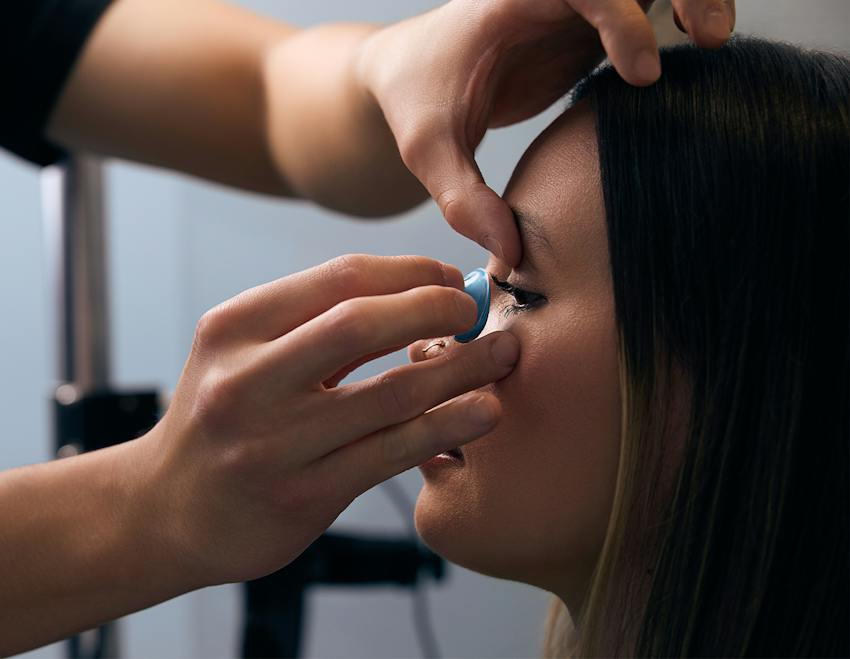
Laser therapy remains one of the most effective tools for treating a range of retinal conditions, including diabetic retinopathy, retinal tears, and certain vascular disorders. Our physicians use precision laser systems to seal leaking blood vessels, prevent retinal detachment, and protect long-term vision.
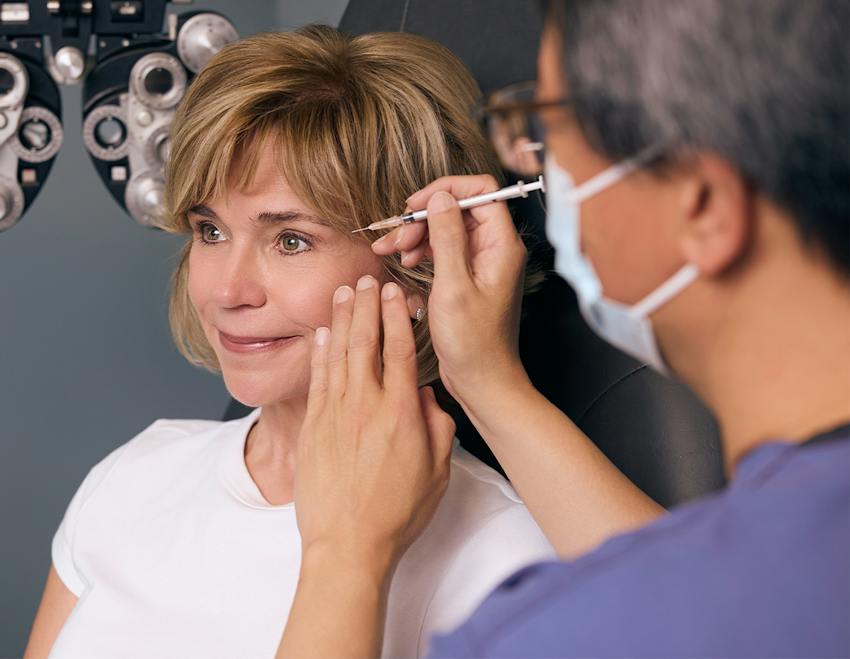
Eye Injections
Eye Injections
Intravitreal injections deliver medication directly into the eye to treat conditions such as wet macular degeneration, diabetic macular edema, and retinal vein occlusion. Our physicians perform these procedures with the utmost care and precision, using FDA-approved therapies with proven clinical outcomes.
In Partnership with WillsEye Hosptial
Meet Princeton Eye Group’s Medical Retina Specialist
Samuel Liu, MD, PhD
Ophthalmologist, Medical Retina Specialist
Dr. Liu leads Retina and Imaging Services at Princeton Eye Group and serves as Section Chief of Ophthalmology at Penn Medicine Princeton Medical Center. Recognized as one of America's Top Doctors every year since 2004, he combines retinal disease expertise with a specialization in refractive surgery, a rare pairing among ophthalmologists.

Retina Care Frequently Asked Questions
What are the warning signs of a retinal problem?
Sudden floaters, flashes of light, a shadow or curtain across your vision, or a rapid decline in central vision are all potential signs of a retinal emergency. If you experience any of these symptoms, contact Princeton Eye Group immediately or seek emergency eye care.
How often should I have my retina checked?
Patients with diabetes, a family history of macular degeneration, high myopia, or a prior retinal condition should have regular retinal evaluations as recommended by their physician. Annual comprehensive exams are a good baseline for most adults over 40.
Can retinal conditions be treated without surgery?
Many retinal conditions can be managed effectively with non-surgical treatments such as intravitreal injections, laser therapy, nutritional supplementation, or close monitoring. Your physician will recommend the most appropriate approach based on your diagnosis.
Is retinal disease always symptomatic?
Not always. Many retinal conditions, including early diabetic retinopathy and dry macular degeneration, progress without noticeable symptoms until significant damage has occurred. This is why routine comprehensive eye exams are so important, even when vision seems normal.
What is the difference between dry and wet macular degeneration?
Dry AMD is the more common form and progresses gradually, while wet AMD involves the growth of abnormal blood vessels beneath the retina and can cause rapid, severe vision loss. Both require monitoring and, in the case of wet AMD, prompt treatment.
Do I need a referral to see a retinal specialist at Princeton Eye Group?
No referral is required to schedule an appointment at Princeton Eye Group. However, many patients are referred by their optometrist or primary care physician. Our team welcomes both self-referred patients and those sent by referring providers throughout Central New Jersey.