Light Adjustable Lenses Princeton, Monroe Township, & Somerset, NJ

The Light Adjustable Lens is the only intraocular lens whose power can be customized after implantation, giving patients and surgeons a level of precision and personalization that no other lens technology can match.
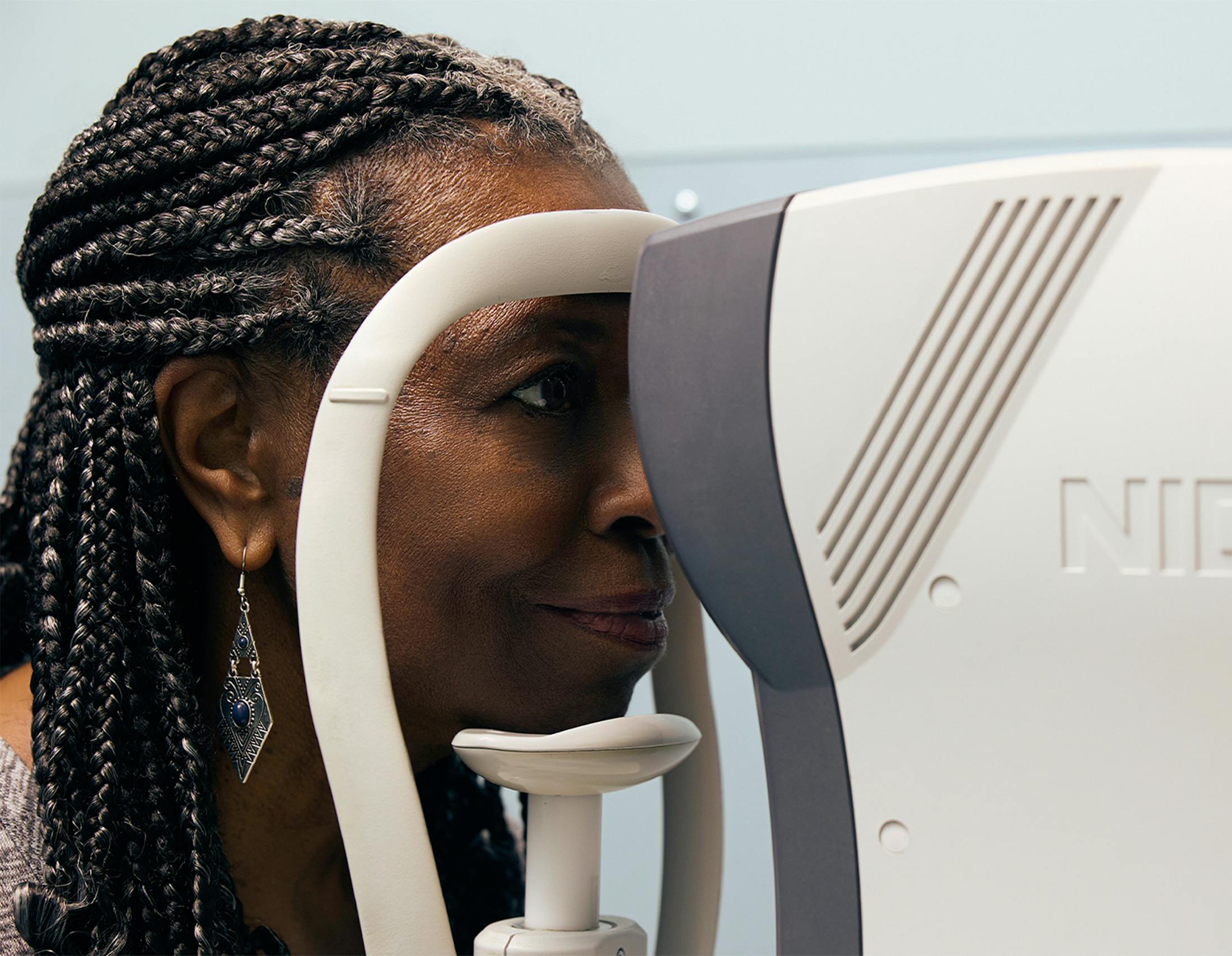

woman getting her eyes tested

The Only Lens You Can Fine-Tune After Surgery

Every cataract surgeon strives for the perfect refractive outcome, but the eye does not always heal exactly as predicted. Individual healing patterns, subtle variations in lens position, and the inherent limitations of pre-operative measurements mean that even with the most precise surgical planning, some patients end up slightly off their target prescription following cataract surgery. For most lens types, the only options at that point are glasses, contact lenses, or a laser enhancement procedure. The Light Adjustable Lens changes that. By allowing the refractive power of the implanted lens to be precisely adjusted after surgery using UV light treatments, the LAL gives patients an unprecedented opportunity to refine their vision based on how their eye actually healed, delivering a personalized outcome that is simply not achievable with conventional intraocular lenses.

woman smiling

What Is the Light Adjustable Lens?

The Light Adjustable Lens (LAL), developed by RxSight, is an FDA-approved premium intraocular lens made from a photosensitive material that responds to ultraviolet light. After the lens is implanted during cataract surgery and the eye has healed—typically two to four weeks post-operatively—the patient undergoes a series of brief, painless light delivery treatments (LDTs) in the office. These treatments use a precisely calibrated UV light device to change the shape and refractive power of the lens in a controlled, targeted manner, adjusting the prescription based on the patient's actual visual outcome rather than pre-operative predictions alone. Once the desired prescription has been achieved and confirmed, a final light treatment is performed to lock in the result permanently. The LAL is compatible with correction of nearsightedness, farsightedness, astigmatism, and, in select cases, reduced dependence on reading glasses through multifocal adjustment profiles.

The Benefits of the Light Adjustable Lens

  • Post-Implantation Customization: The defining advantage of the LAL is the ability to adjust the lens power after surgery, allowing the final prescription to be tailored based on how the eye has actually healed rather than relying solely on pre-operative predictions.
  • Higher Refractive Precision: Clinical studies demonstrate that patients with the Light Adjustable Lens achieve significantly better uncorrected visual acuity than those with conventional premium lenses, with more patients hitting their target refraction within a narrow margin.
  • Patient-Driven Outcome: The adjustment process allows patients to preview different vision options before the final result is locked in, giving them an active role in determining their visual outcome in a way that is unique to this technology.
  • Corrects Residual Astigmatism: The LAL can address residual astigmatism remaining after surgery with a level of precision that is difficult to achieve with fixed toric lenses, further optimizing the refractive outcome.
  • Reduced Dependence on Glasses: For patients interested in reducing their need for reading glasses, the Light Adjustable Lens is exceptionally well-suited for a 'blended vision' (or monovision) approach. With this strategy, your surgeon targets one eye for sharp distance vision and the other for intermediate or near vision. Because the LAL is adjustable after surgery, you have the unique opportunity to 'test drive' this visual balance in your daily life. We can seamlessly fine-tune the exact focal points during your adjustment sessions until the vision feels natural and comfortable for your lifestyle, ensuring optimal results before the prescription is permanently locked in.

Is the Light Adjustable Lens Right for Me?

The Light Adjustable Lens is an excellent option for patients who place a high value on refractive precision and want the ability to optimize and customize their visual outcome after surgery based on how their eye heals.

It is particularly well-suited for patients with prior refractive surgery such as LASIK or PRK, whose corneal profiles make pre-operative IOL power calculations less predictable, as well as patients with high refractive errors or significant astigmatism, where precision is especially important.

Candidates for the LAL must be willing to wear UV-protective glasses at all times when outdoors or near windows between light delivery treatment sessions, as uncontrolled UV exposure can trigger unintended changes in the lens before it is locked in. Patients who are unable or unwilling to comply with this requirement are not ideal candidates. Patients should expect a longer post-operative journey with more appointments for lens adjustments than patients with non-LAL implants. A comprehensive consultation at Princeton Eye Group will determine whether the Light Adjustable Lens in NJ is the right choice for your individual situation.

Banner media

The Light Adjustable Lens Process What to Expect

Comprehensive Pre-Operative Evaluation

Your Princeton Eye Group surgeon will perform advanced biometry and a thorough assessment of your ocular health, refractive history, and visual goals to confirm your candidacy for the Light Adjustable Lens and develop a personalized surgical plan.

Lens Implantation

The LAL is implanted during standard cataract surgery on an outpatient basis. The procedure is identical to standard cataract surgery in terms of the operative experience, and the self-sealing incision typically requires no sutures.

Healing Period and UV Protection

Following implantation, you will wear special UV-protective glasses provided by our office at all times when outdoors or near windows. This is essential to prevent unintended changes to the lens before the adjustment process begins. The healing period prior to the first light treatment is typically two to four weeks.

Light Delivery Treatments

Once healing is confirmed, you will undergo a series of brief, painless in-office light delivery treatments using the RxSight Light Delivery Device. Each session takes only a few minutes. Between treatments, you will return for visual assessments to evaluate your prescription and guide further adjustments. Most patients undergo two to three adjustment treatments before the final lock-in.

Lock-In Treatment

Once you and your physician are satisfied with your visual outcome, a final light treatment permanently locks in the lens prescription. After lock-in, UV protection glasses are no longer required.

Follow-Up Care

Your physician will continue to monitor your visual outcome at follow-up appointments following the lock-in treatment to confirm the stability of the result.

Schedule a Consultation

Contact Us

Your Light Adjustable Lens Results and Recovery

Recovery from cataract surgery with the Light Adjustable Lens follows the same general course as standard cataract surgery, with meaningful visual improvement typically noticeable within the first day or two after the procedure. The unique aspect of the LAL experience is the post-operative adjustment phase, during which your vision is progressively refined through a series of light delivery treatments over several weeks. Most patients find this process straightforward and comfortable. The requirement to wear UV-protective glasses during the adjustment period is the most significant lifestyle consideration, but the majority of patients adapt to this without significant difficulty. Final visual outcomes with the LAL are consistently among the most precise achievable with any intraocular lens technology currently available, with clinical data demonstrating superior rates of on-target refraction compared to conventional premium lenses.

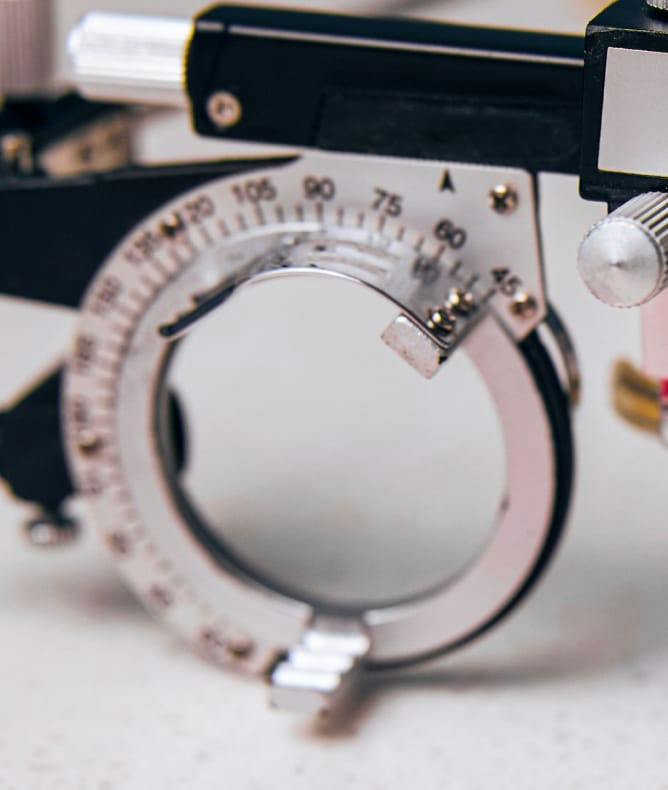
Phoropter and trial lenses

The Light Adjustable Lens: Customized Vision After Cataract Surgery

Unlike traditional fixed lenses, whose prescription is locked in before surgery, the Light Adjustable Lens lets you test drive your vision after your eyes heal and fine-tune your prescription up to three times for the best possible outcome. Watch this video to learn how a fixed lens compares to an adjustable one, and why the Light Adjustable Lens offers a level of customization no other lens can match.

video thumbnail

Why Choose Princeton Eye Group for the Light Adjustable Lens?

Princeton Eye Group offers the expertise, technology, and personalized surgical approach necessary to deliver the full potential of the Light Adjustable Lens to patients throughout New Jersey.

Precision-Focused Surgical Planning

The Light Adjustable Lens demands a higher level of pre-operative evaluation and post-operative engagement than conventional IOLs. Princeton Eye Group's surgeons bring the same meticulous attention to planning and follow-up that defines every aspect of the practice's premium lens program, ensuring that every LAL patient achieves the most precise outcome possible.

Ideal for Complex Refractive Histories

Patients with prior LASIK, PRK, or other refractive surgery present unique challenges for IOL power calculation. The Light Adjustable Lens addresses this challenge directly by allowing the prescription to be fine-tuned after implantation, making it one of the most valuable tools available for this population. Princeton Eye Group's refractive surgery expertise makes it uniquely well-positioned to manage these cases.

A Comprehensive Premium Lens Program

Princeton Eye Group offers the complete spectrum of premium intraocular lens options, including multifocal, EDOF, and toric lenses, alongside the Light Adjustable Lens. This breadth ensures that every patient receives the lens genuinely best suited to their anatomy, history, and goals.

Subspecialty Depth for Optimal Outcomes

Because Princeton Eye Group covers nearly every ophthalmic subspecialty, patients with complex ocular histories benefit from the input of corneal, glaucoma, and retinal specialists when planning premium lens surgery, maximizing safety and setting the stage for the best possible refractive outcome.

Convenient Locations Across Central New Jersey

With offices in Princeton, Monroe Township, and Somerset, Princeton Eye Group makes the full premium cataract surgery experience, including the post-operative light delivery treatment series, conveniently accessible to patients throughout the region.

Light Adjustable Lens Frequently Asked Questions

How many light delivery treatments will I need?

Most patients undergo two to three light delivery treatment sessions before the final lock-in treatment. The exact number depends on the degree of adjustment needed and how your vision responds to each treatment. Your physician will guide the process based on your visual assessments at each visit.

Is the light delivery treatment painful?

No. Each light delivery treatment session takes only a few minutes and is entirely painless. Patients sit comfortably in front of the RxSight Light Delivery Device while the UV light is applied to the lens. No anesthesia is required for the treatment itself.

Why do I need to wear UV-protective glasses after surgery?

The Light Adjustable Lens is made from a photosensitive material that responds to UV light. Before the lens is locked in, uncontrolled UV exposure from sunlight or indoor UV sources can trigger unintended changes in the lens power. The UV-protective glasses provided by Princeton Eye Group block this exposure and are essential to preserving the integrity of the adjustment process.

Can the Light Adjustable Lens correct astigmatism?

Yes. The adjustment process can precisely address residual astigmatism following surgery, often achieving a more precise astigmatism correction than is possible with fixed toric lenses. This is one of the key advantages of the LAL for patients with significant astigmatism.

Is the Light Adjustable Lens a good option after prior LASIK or PRK?

Yes. The LAL is particularly valuable for patients with prior refractive surgery, whose corneal profiles make pre-operative IOL power calculations less predictable. By allowing the prescription to be adjusted after implantation based on the actual visual outcome, the LAL compensates for the uncertainty inherent in these calculations and consistently delivers more precise results.

Does insurance cover the Light Adjustable Lens?

Medicare and most insurance plans cover standard cataract surgery, but the premium upgrade to the Light Adjustable Lens involves an out-of-pocket cost. Our team can discuss the associated costs and available financing options during your consultation.

What happens after the lock-in treatment?

Once the lock-in treatment is complete, the photosensitive material in the lens is permanently stabilized, and UV-protective glasses are no longer required. Your prescription is fixed at the adjusted level, and your physician will continue to monitor your outcome at follow-up appointments to confirm visual stability.

How does the LAL compare to having LASIK after cataract surgery to correct residual refractive error?

Both the LAL adjustment process and post-cataract LASIK can address residual refractive error following lens implantation. The LAL offers the advantage of achieving precision without a second surgical procedure. At the same time, post-cataract LASIK remains a viable option for patients with non-adjustable lenses who end up off their target refraction. Your surgeon will discuss the most appropriate approach for your individual situation.

Accessibility: If you are vision-impaired or have some other impairment covered by the Americans with Disabilities Act or a similar law, and you wish to discuss potential accommodations related to using this website, please contact our Accessibility Manager at (609) 921-9437.
Request an Appointment